
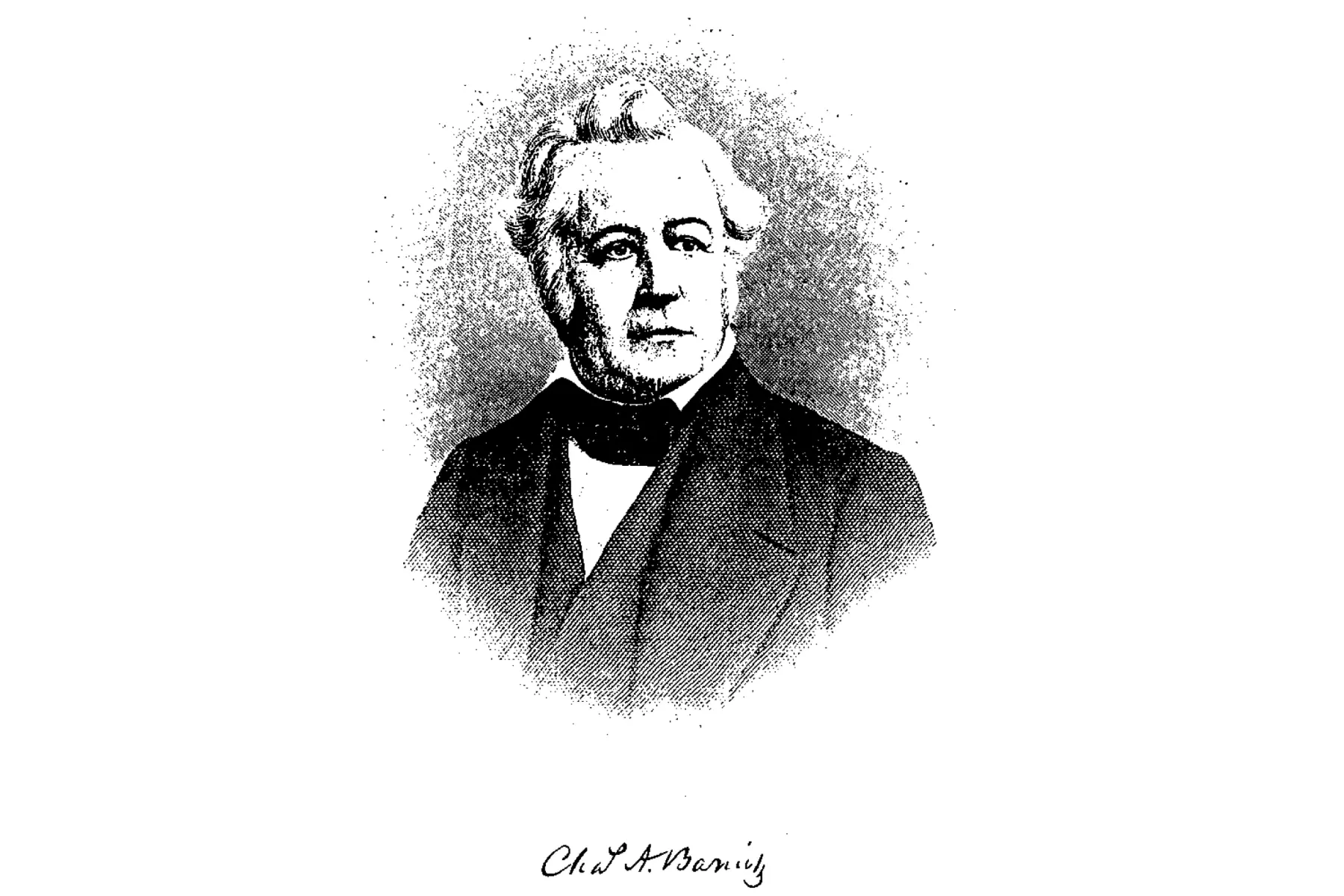
1823: A summer place along the turnpike
Charles A. Barnitz, a York attorney who served in the Pennsylvania Senate and the U.S. Congress, bought ten acres east of the York and Baltimore Turnpike for a summer home. The house was ready in 1828.
ReadNot the neighborhood; that came a century later. What began in 1823 was a summer house, a spring, and a family. What follows is the estate becoming a place, told from the association's own history and the National Register record.
Charles A. Barnitz, a York attorney who served in the Pennsylvania Senate and the U.S. Congress, bought ten acres east of the York and Baltimore Turnpike for a summer home. The house was ready in 1828.
Read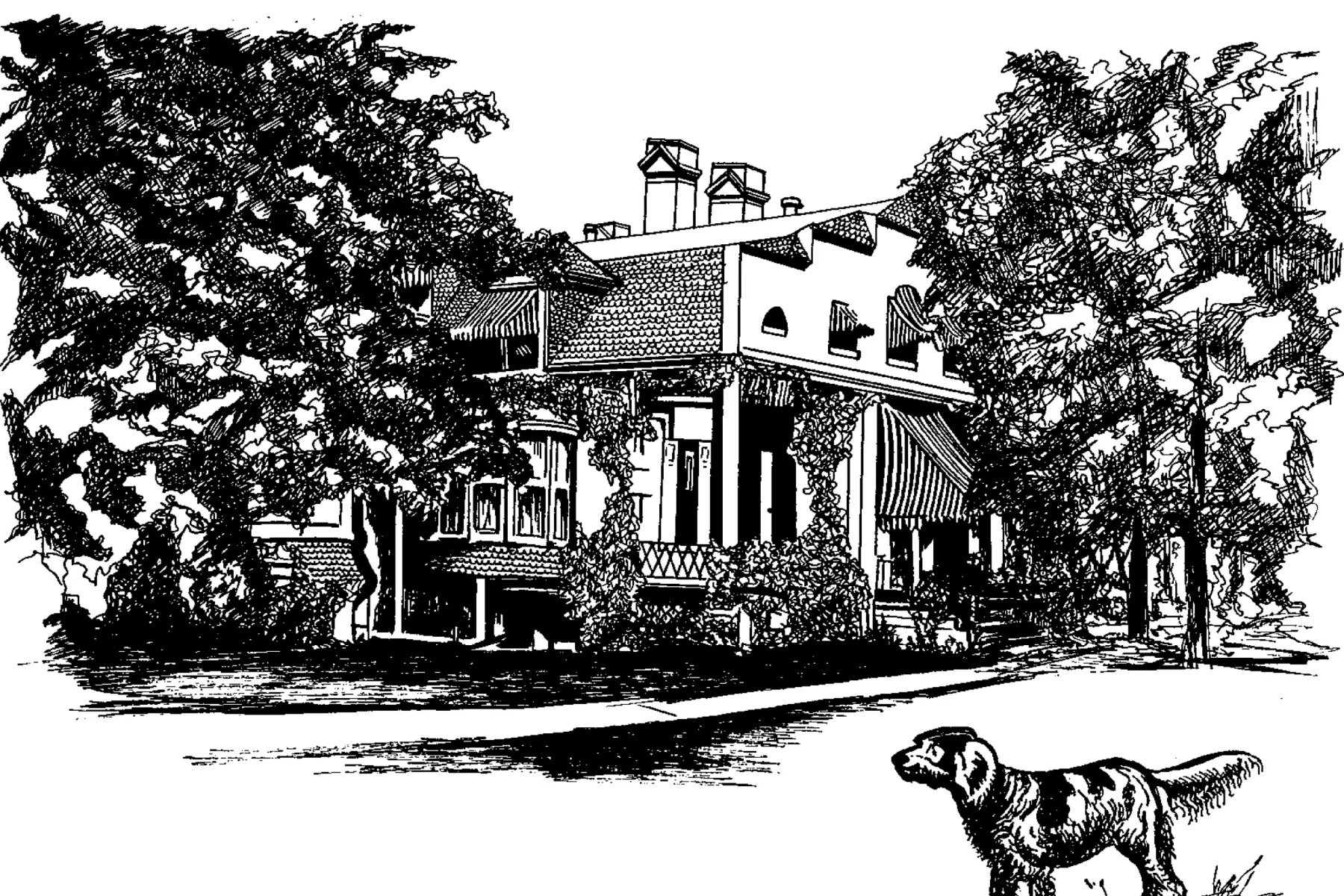
Through a run of early deaths the estate passed to a five-year-old heiress, then to the Hersh family, who grew it to some 400 acres and gave it a golf course, an octagonal ballroom, and a carriage house that still stands.
Read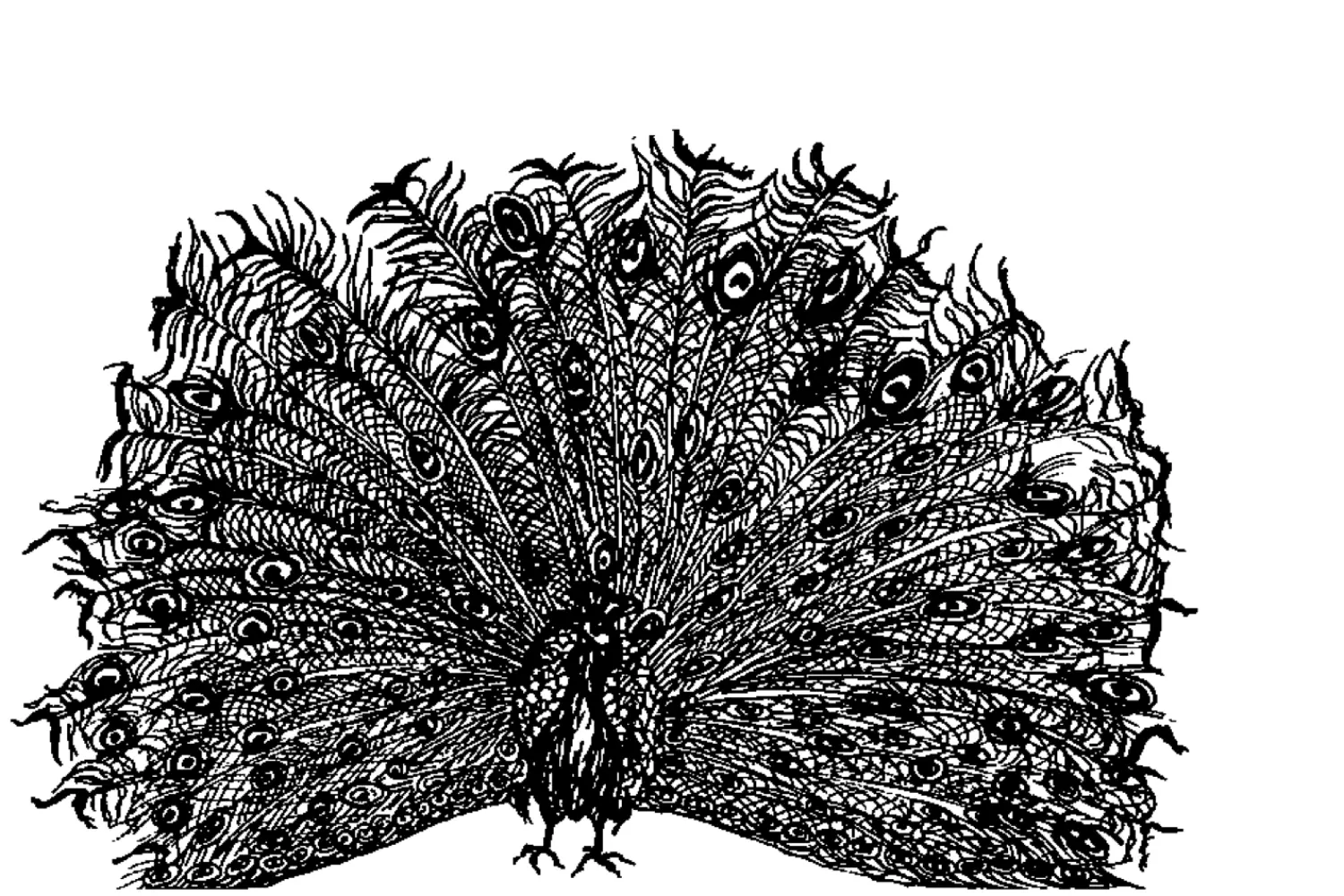
The farm added to Springdale in 1863 had been the summer place of James Smith, York's signer of the Declaration of Independence. Its farmhouse was called Peacock Hall, and tradition says Smith entertained members of the Continental Congress there.
ReadIn 1894 Grier Hersh laid out a private nine-hole course on the Springdale estate, the first golf course in York County, on ground that is now the neighborhood's streets.
Read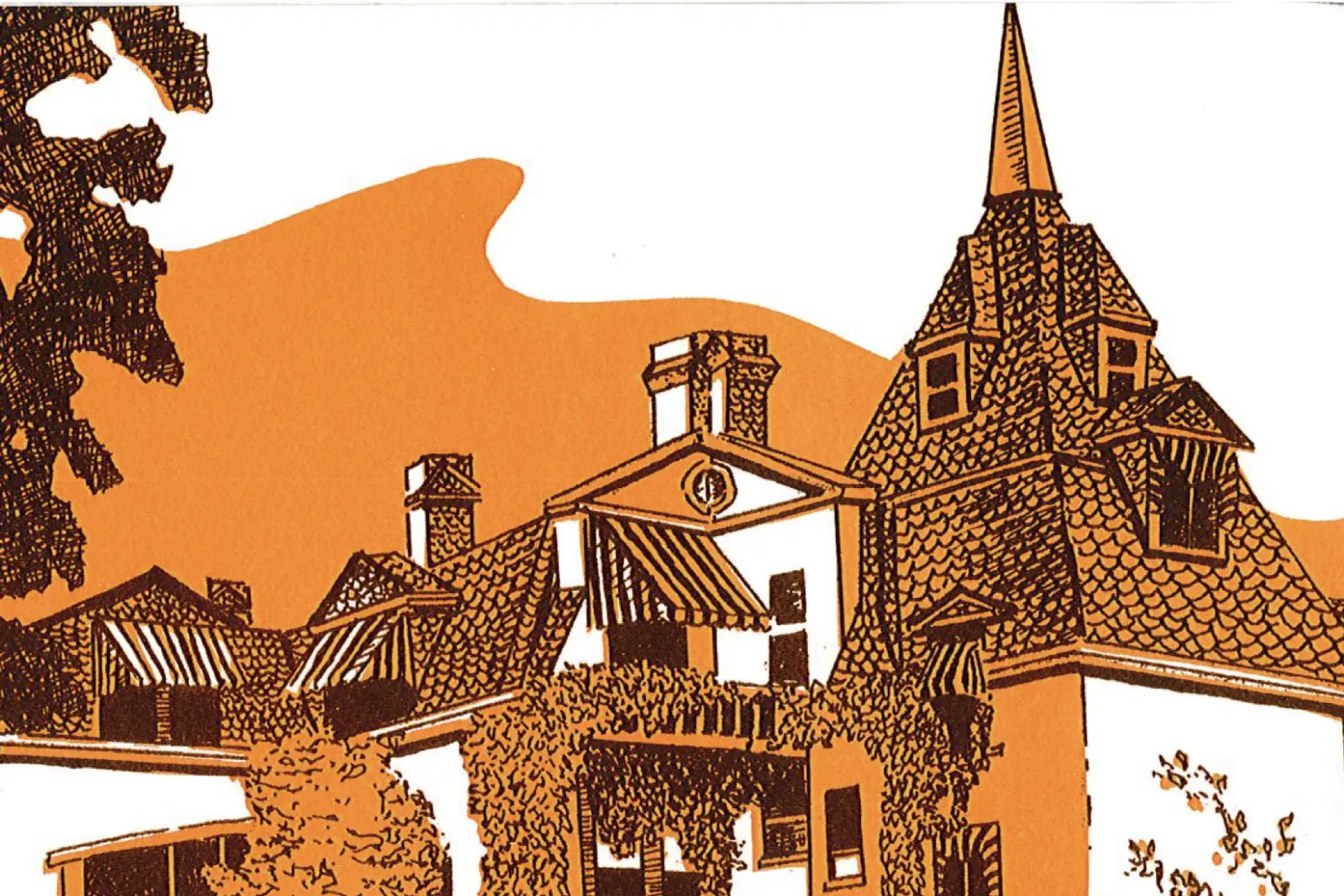
Under Grier and Julia Hersh, Springdale was a center of York's social life: some forty rooms, a ballroom that seemed octagonal, an orchestra that played until the last dancer left, and croquet by candlelight.
Read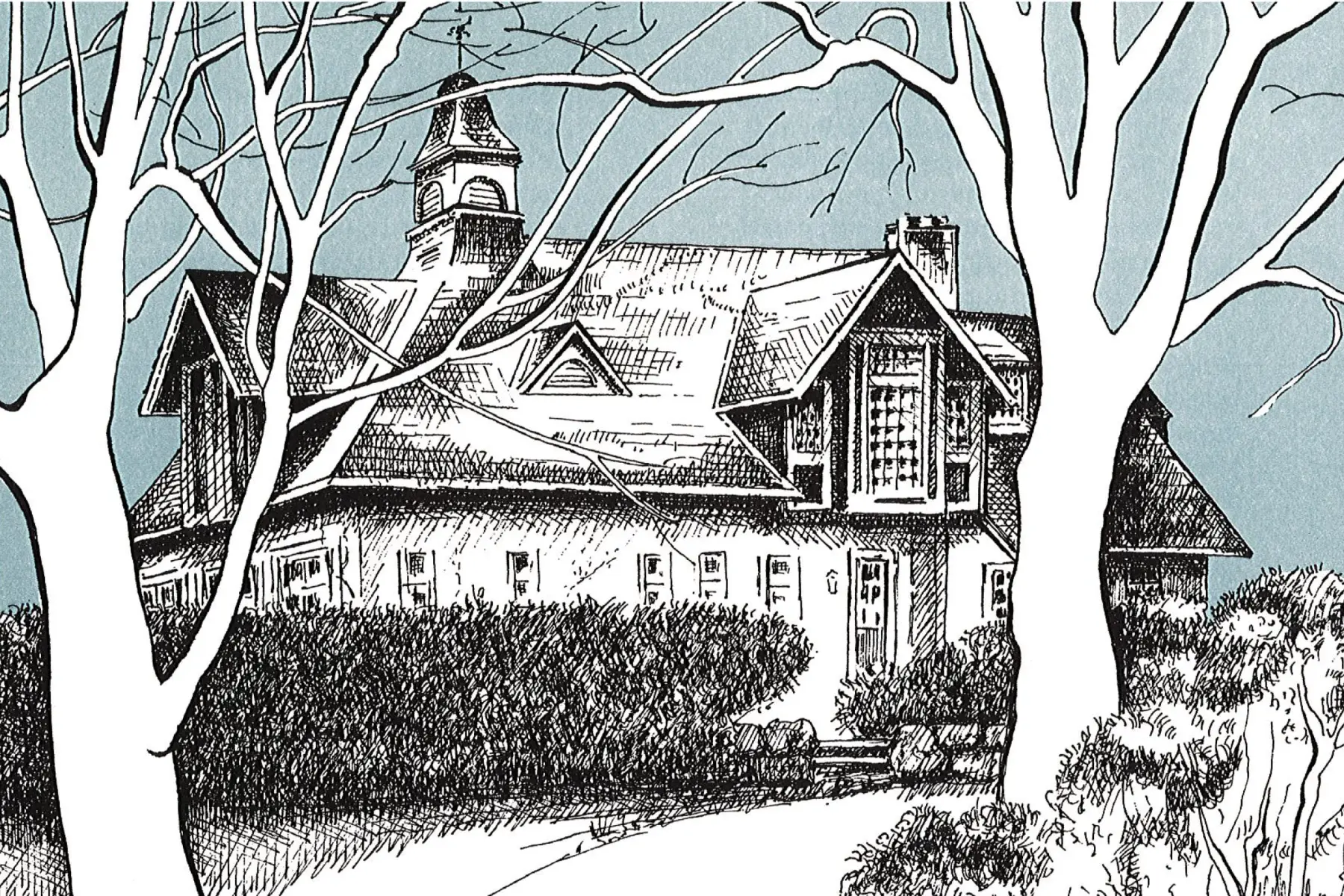
At its largest the Hersh property ran to roughly 400 acres. Beginning in the 1920s it was platted into building lots; the houses that define Springdale rose mostly between 1920 and 1950, with the 1930s the busiest decade.
ReadNewlin for an ancestor, Merion for a town on the Main Line, Arrow Alley for an arrowhead the Hersh daughters found, and Lombardy Alley for a row of poplars that are no longer there.
ReadWhen York rewrote its zoning ordinance in 1975, residents of the city's south side organized and stopped key Springdale properties from being rezoned for commercial use. The Springdale Neighborhood Association grew out of that effort.
ReadEvery old estate should have a ghost story, says the neighborhood's history, and it offers two: a headless settler on Spring Lane, and a face on a bedroom wall at Springdale.
ReadEight styles, several architects, and how to tell them apart on a walk.
What National Register listing does, and does not, mean for your house.
Fifteen stops, about a mile and a quarter, on sidewalks the whole way.
The 1982 booklet, photographs, and how to add yours.
The best way to know Springdale is to walk it: fifteen stops, about a mile and a quarter.