
1823: A summer place along the turnpike
Charles A. Barnitz, a York attorney who served in the Pennsylvania Senate and the U.S. Congress, bought ten acres east of the York and Baltimore Turnpike for a summer home. The house was ready in 1828.
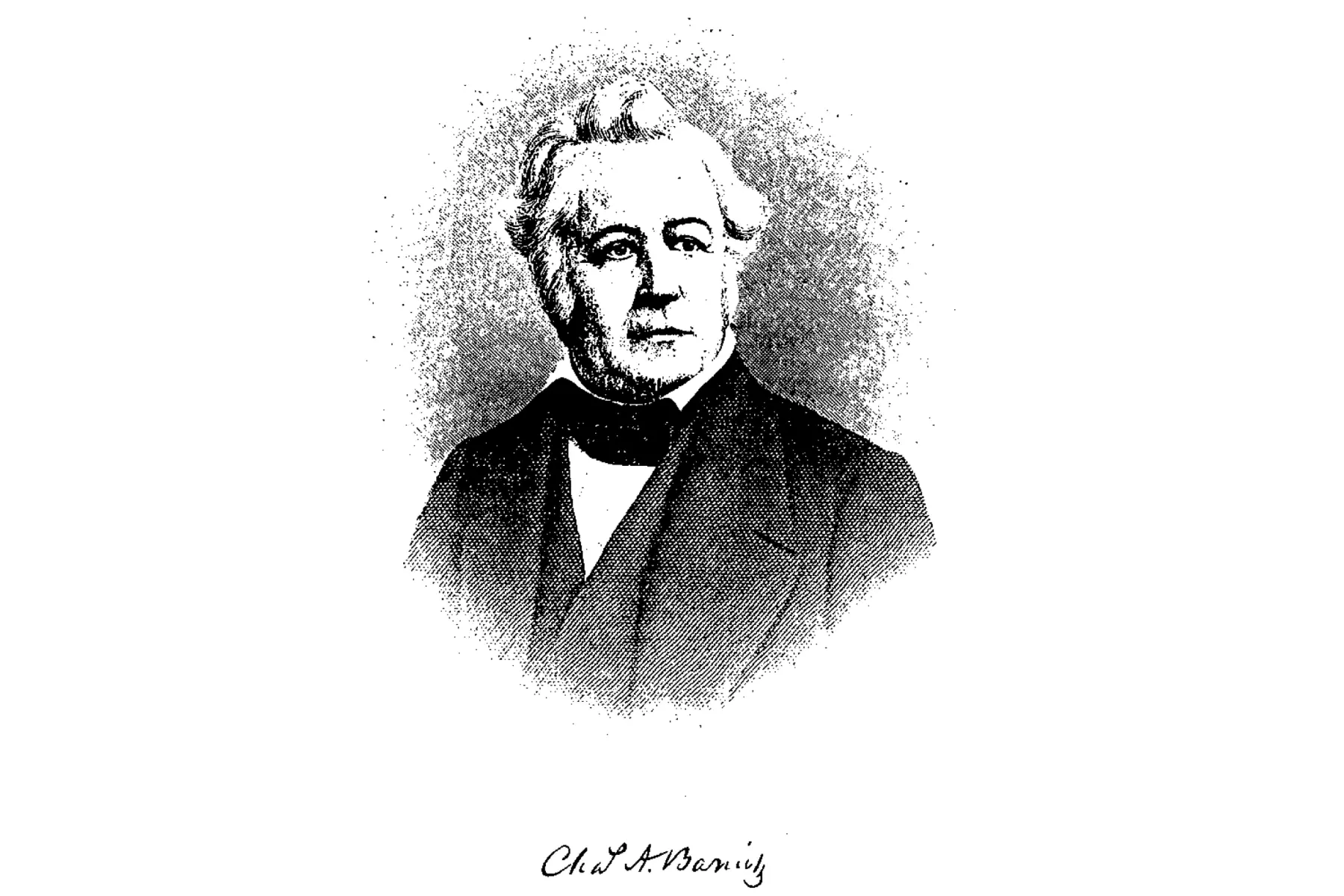
Springdale’s story begins in 1823, when Charles A. Barnitz, York-born attorney, state senator, congressman, and president of the York Bank, purchased ten acres on the east side of the York and Baltimore Turnpike for a summer home. He had married the daughter of Col. David Greer, an officer of the Revolutionary Army. The house was completed for occupancy in 1828.
What later writers call “early Springdale” stretched from South George Street to roughly Duke Street, from Rathton Road to Hersh’s Lane. Barnitz expanded eastward toward what is now Newlin Road, raising Durham cattle and growing sunflowers for lamp oil. The family narrative credits him with forming the York County Colonization Society, and records the tradition that Springdale’s barns were “frequently a part” of the Underground Railroad.
Their daughter Jane recalled cream so thick her mother could churn butter “in a cup with a spoon at the table.”
Barnitz kept up a friendship with Lafayette, and James Buchanan was a regular guest. Tradition holds that Mrs. Barnitz named the property for seven springs on the grounds, at Buchanan’s suggestion. During Barnitz’s term in Congress the house received Henry Clay, Daniel Webster, and Davy Crockett.