
About 185 Peyton Road
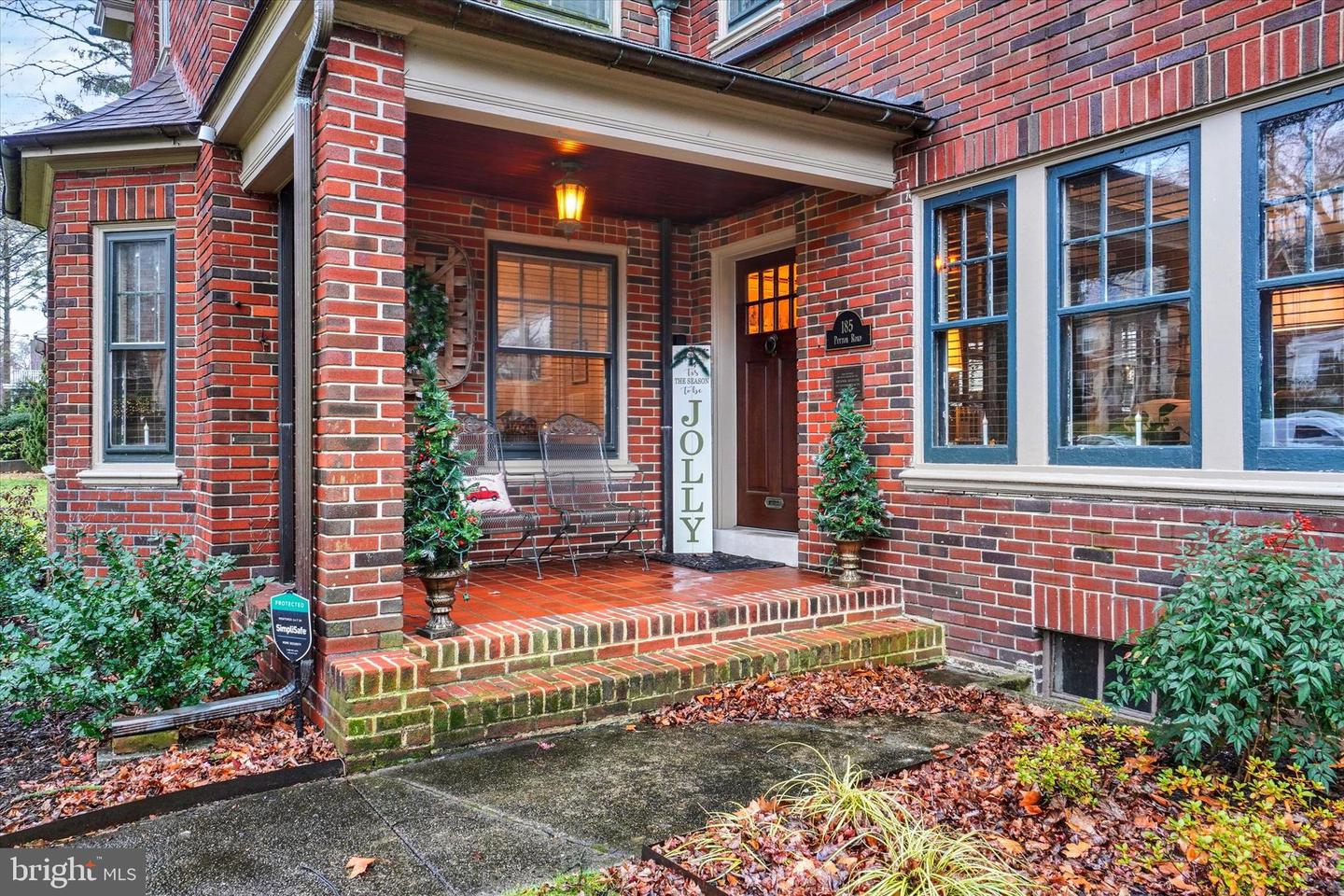
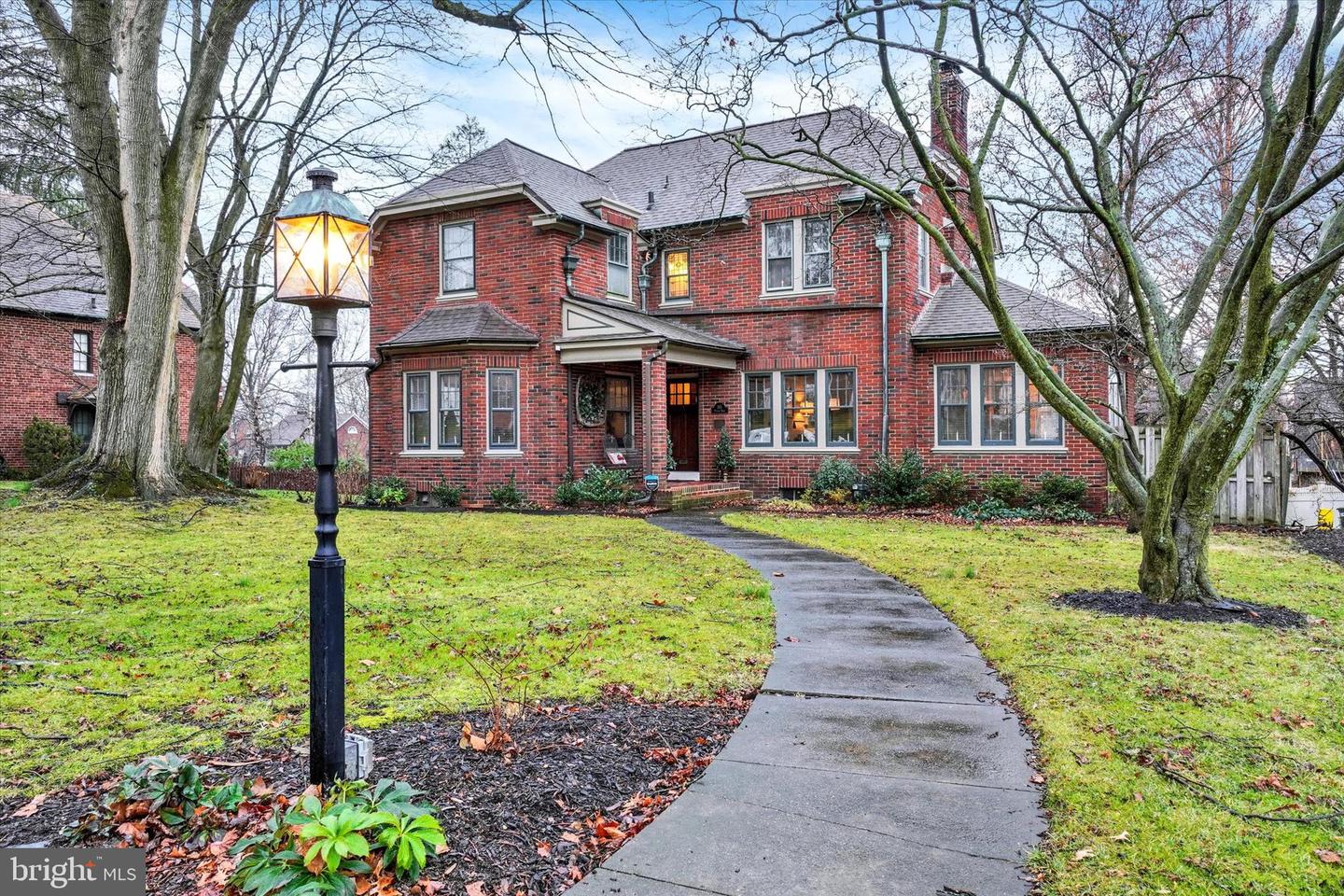
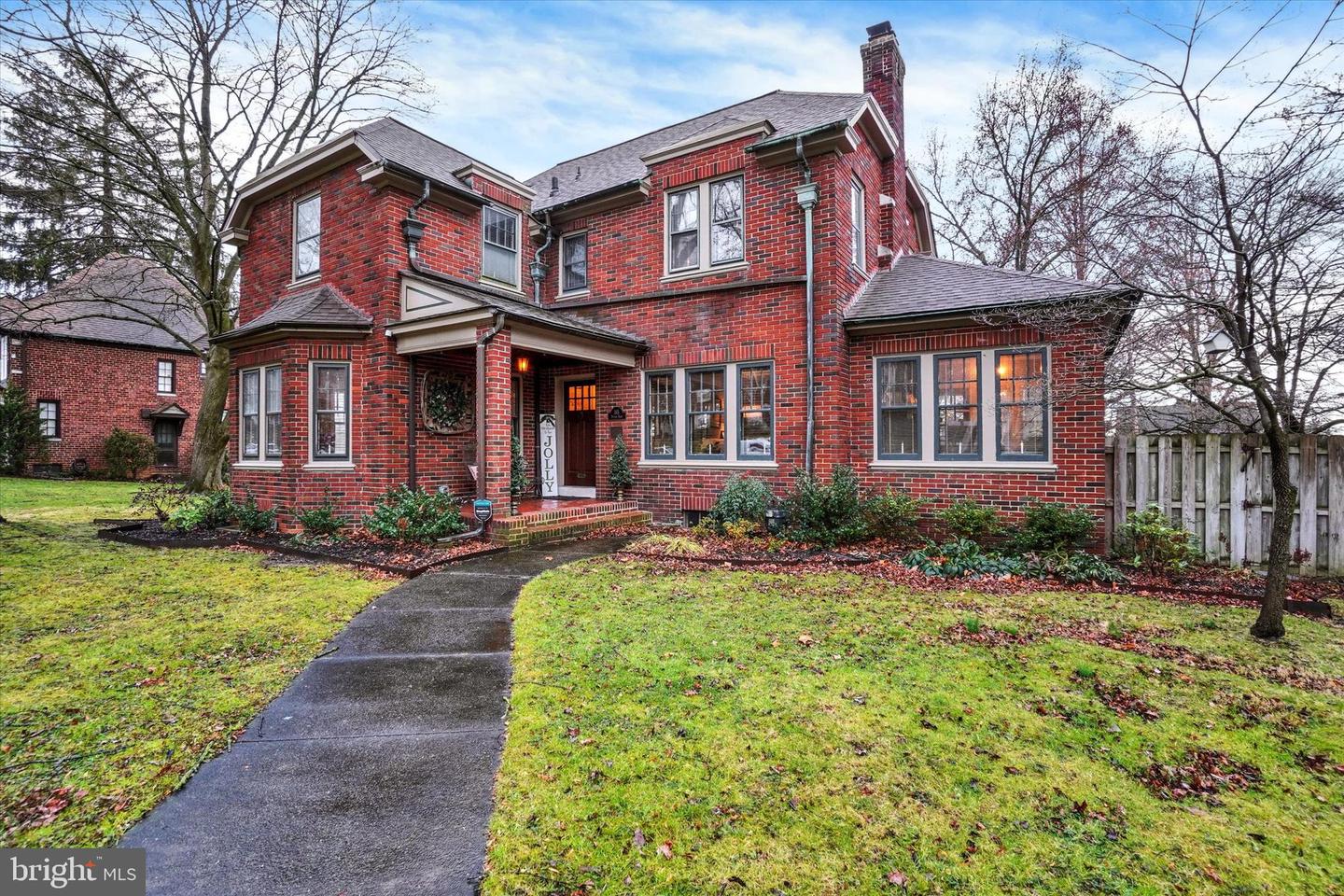
185 Peyton Road is a Colonial Revival brick residence in the Springdale neighborhood of York, Pennsylvania. The house was built in 1931 for J. Emory Seitz and his wife Lillian A. Seitz, who purchased the lot from the Yorktown Land Company in 1929 and lived here for over 35 years.
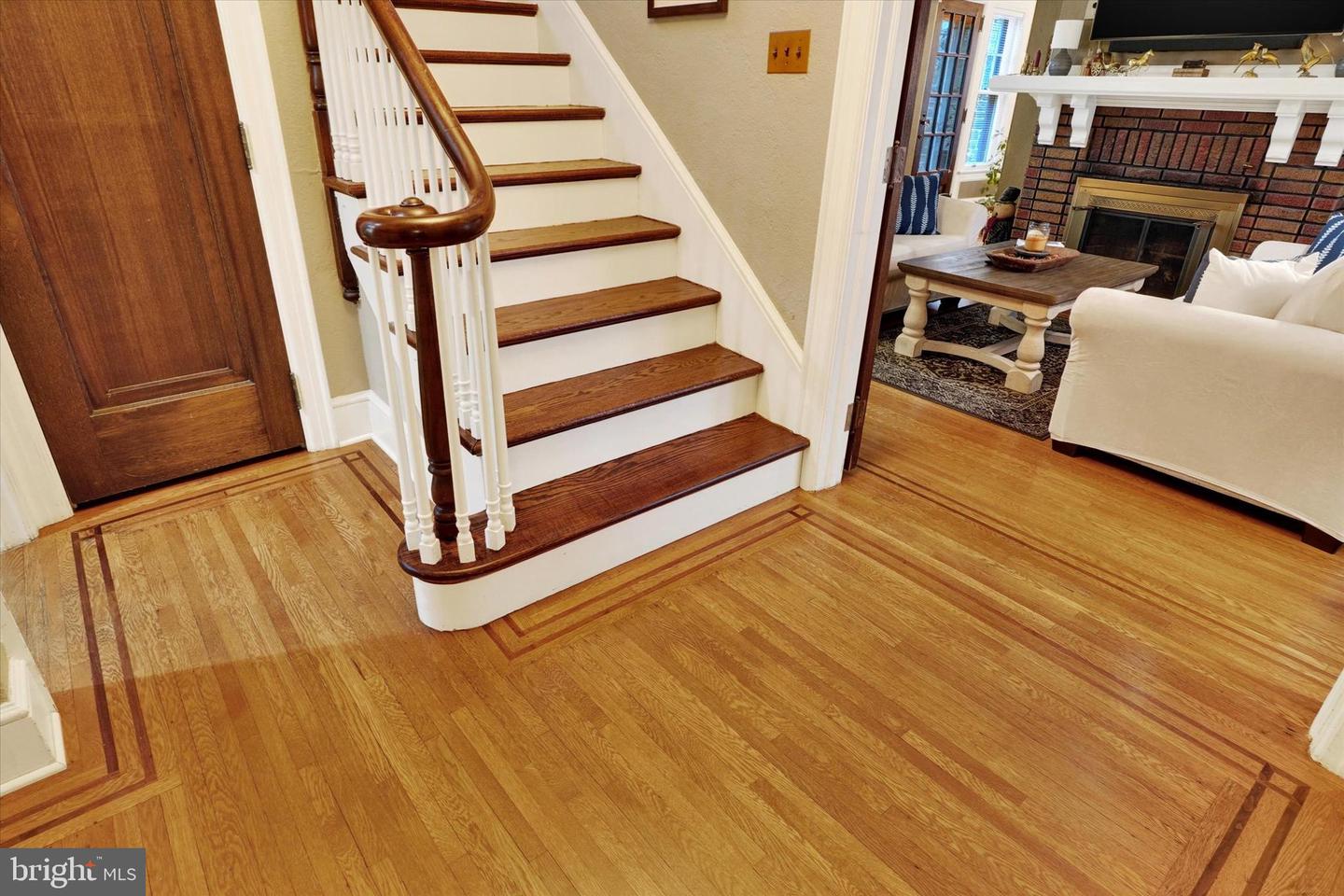
Set on a generous lot along one of Springdale's tree-lined streets, the house features solid brick construction, a prominent bay window, a covered front porch with brick columns, and the kind of craftsmanship typical of the early 1930s—hardwood floors with inlaid borders, a Craftsman-style front door with divided-light glass, original stained glass windows, a double-sided brick fireplace, crown molding, and leaded glass sidelights flanking the entrance.
The property has had remarkably few owners since it was built. We call it the Seitz House in honor of the family who commissioned and lived in it for its first three and a half decades.
Inside 185 Peyton Road
A room-by-room tour of the Seitz House, from the front porch through the finished third floor.
Exterior
Foyer & Entry
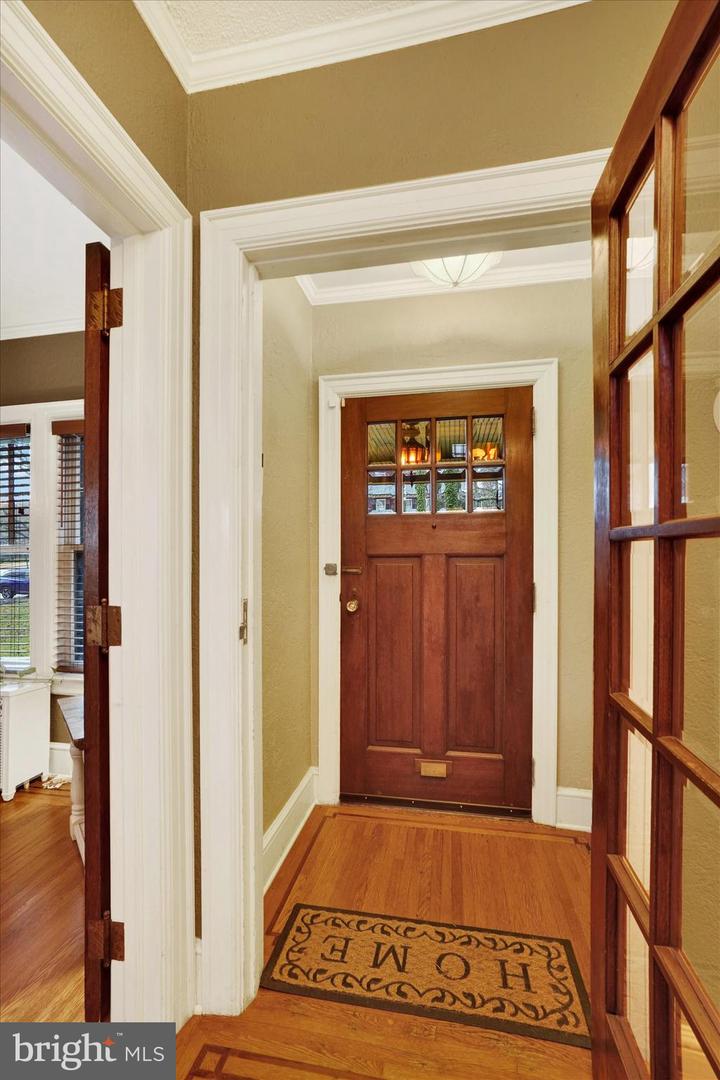
The original Craftsman-style front door opens into a foyer with hardwood floors and an interior glass-pane French door leading to the main hall.
Living Room
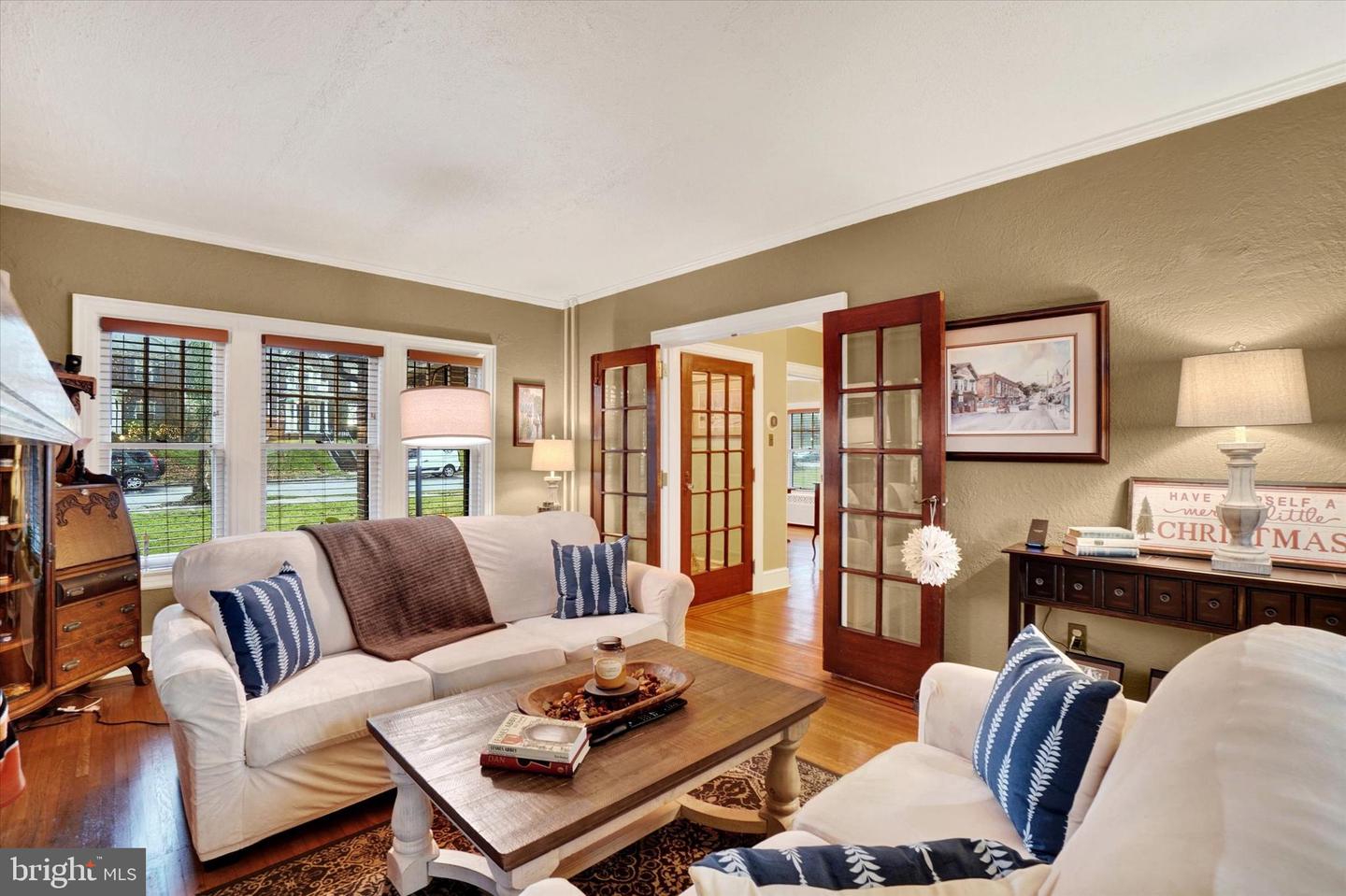
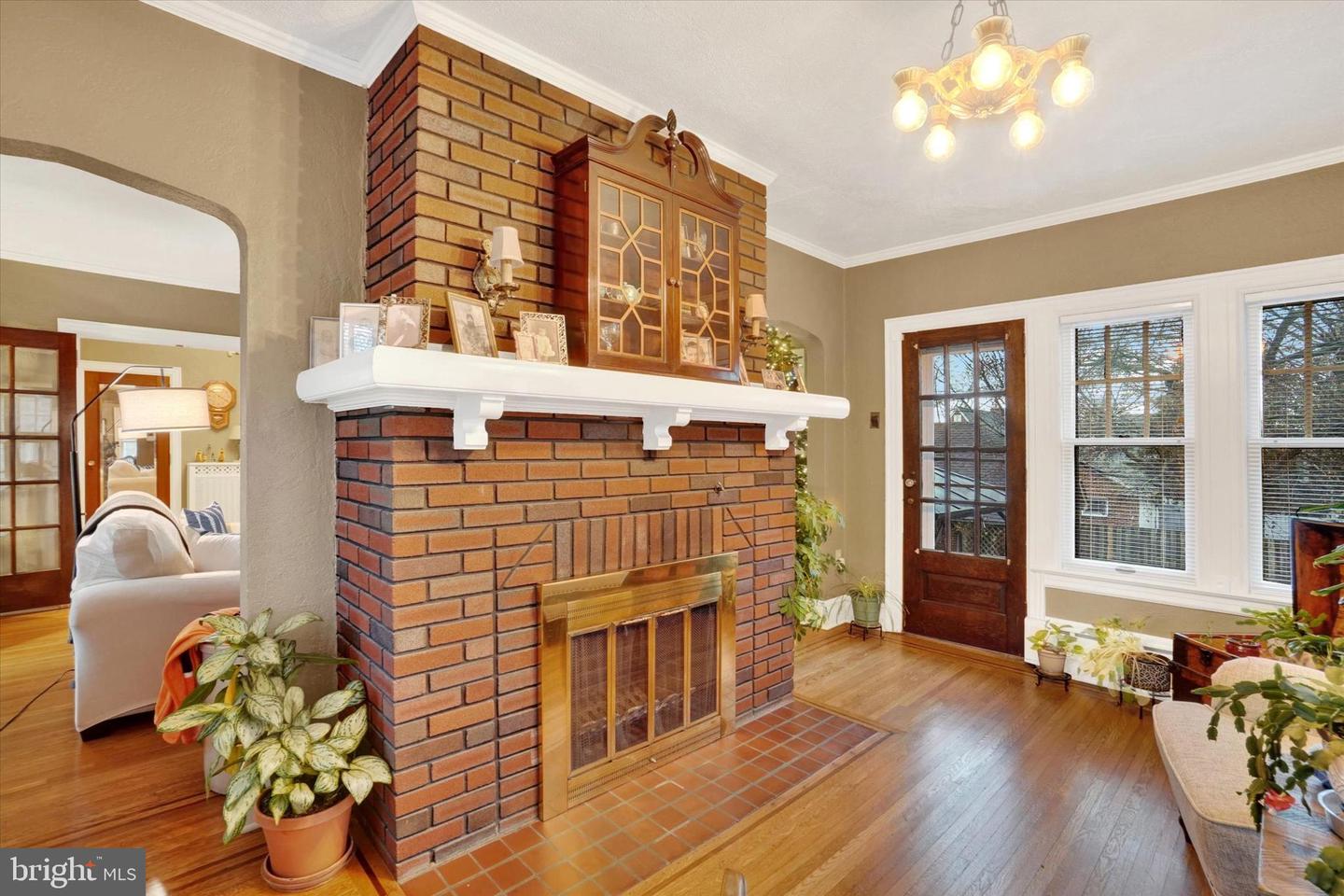
The living room centers on an original double-sided brick fireplace with a white mantel shelf and built-in wood cabinet above. French doors with divided-light glass connect to the foyer and dining room.

Sunroom
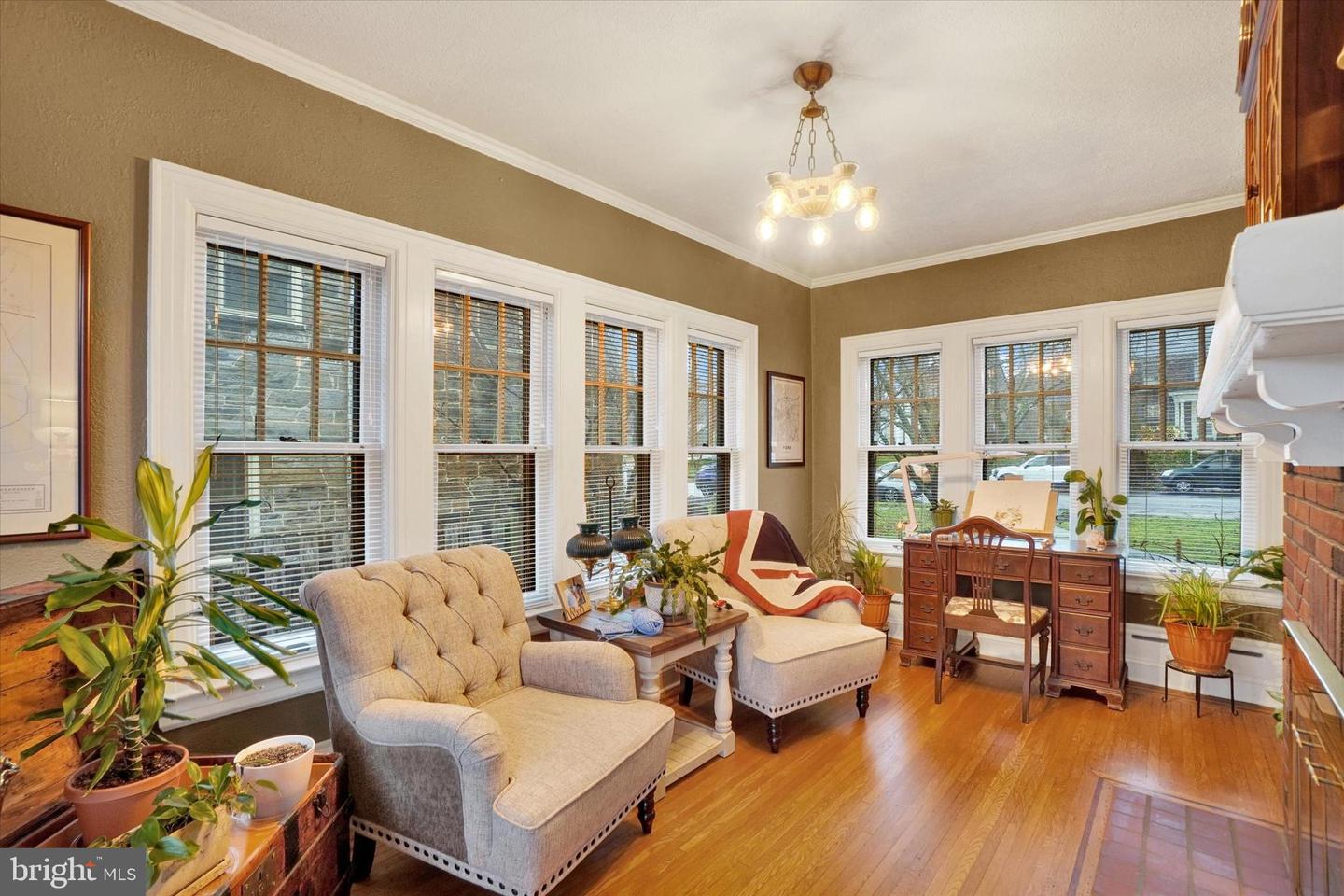
The sunroom sits behind the living room's double-sided fireplace, with windows on three sides flooding the room with natural light. A period light fixture and the original hardwood floors continue throughout.
Dining Room
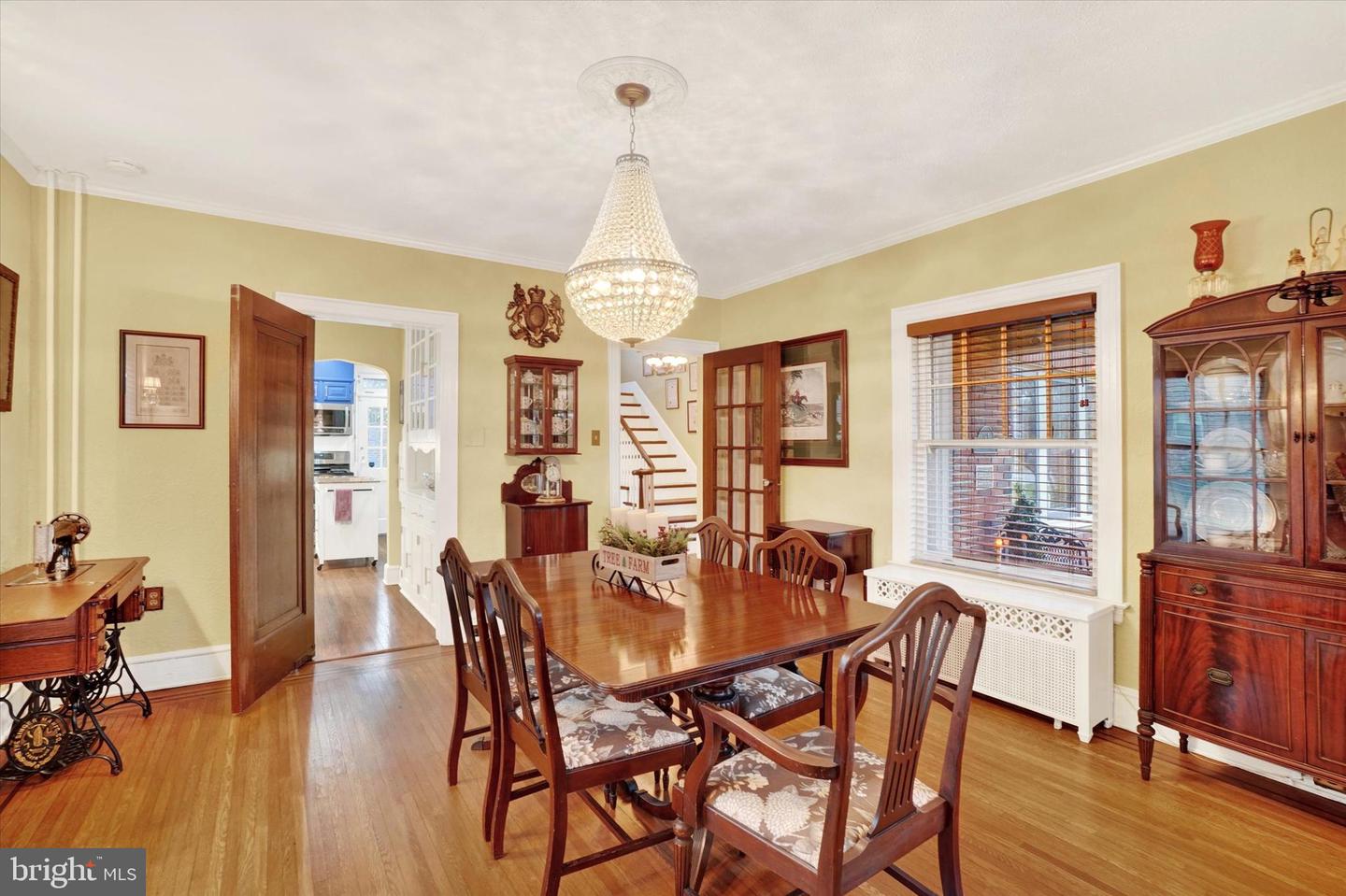
A formal dining room with a bay window alcove, crystal chandelier, and the same hardwood floors found throughout the first floor. An arched doorway leads to the butler's pantry and kitchen.

Butler's Pantry & Breakfast Nook
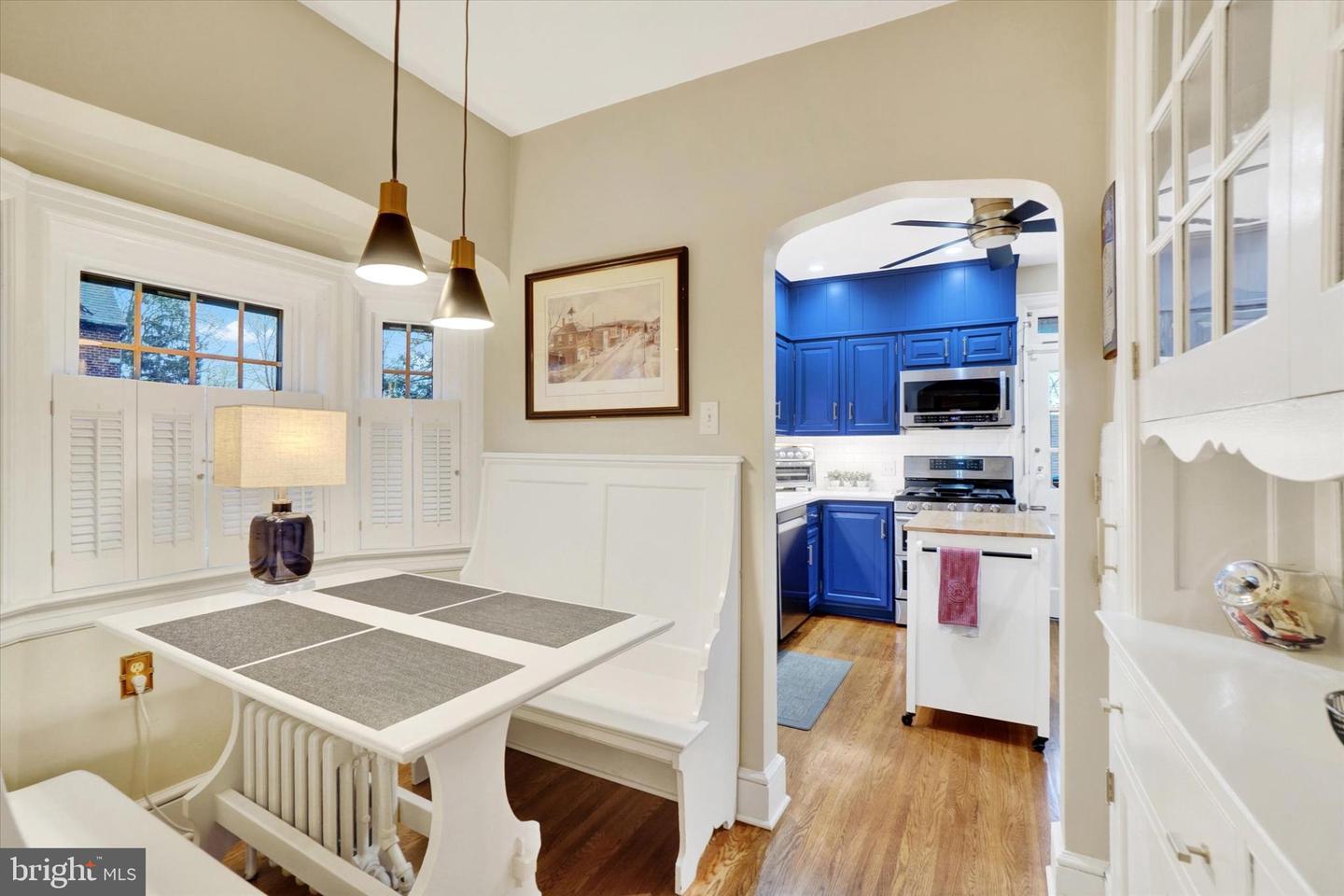
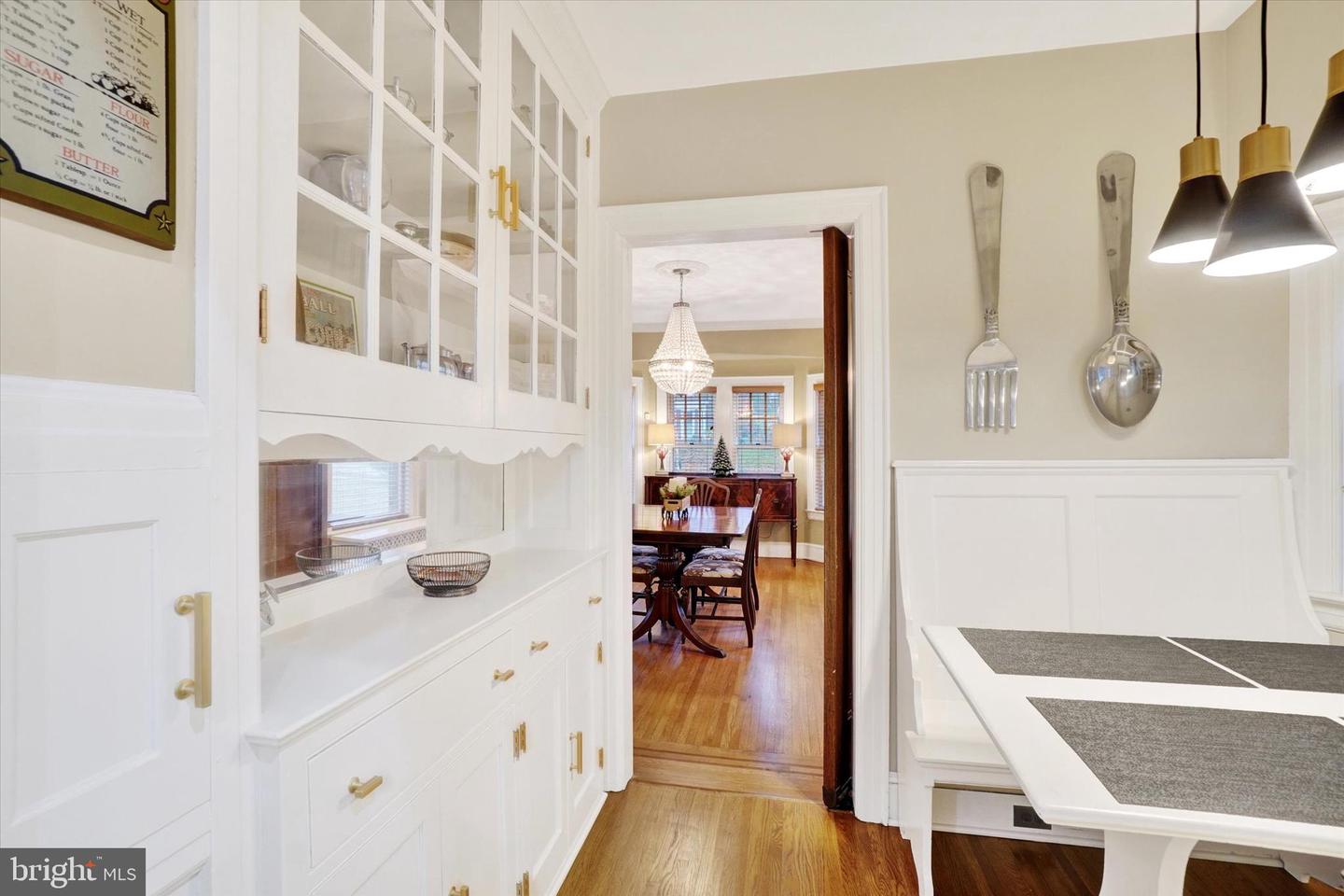
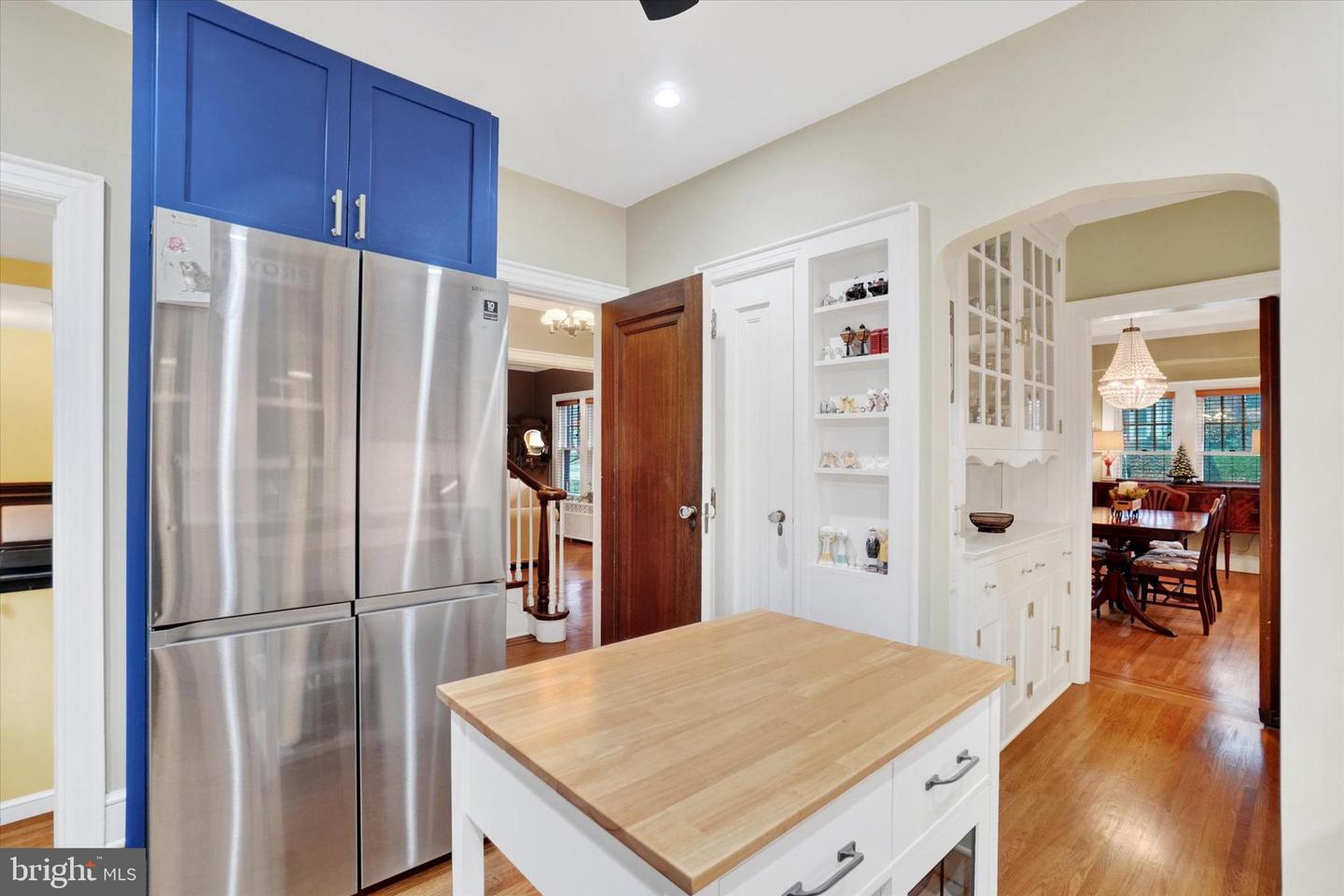
Between the dining room and kitchen, a butler's pantry with original built-in glass-front cabinets and a breakfast nook with a built-in bench and plantation shutters.
Kitchen
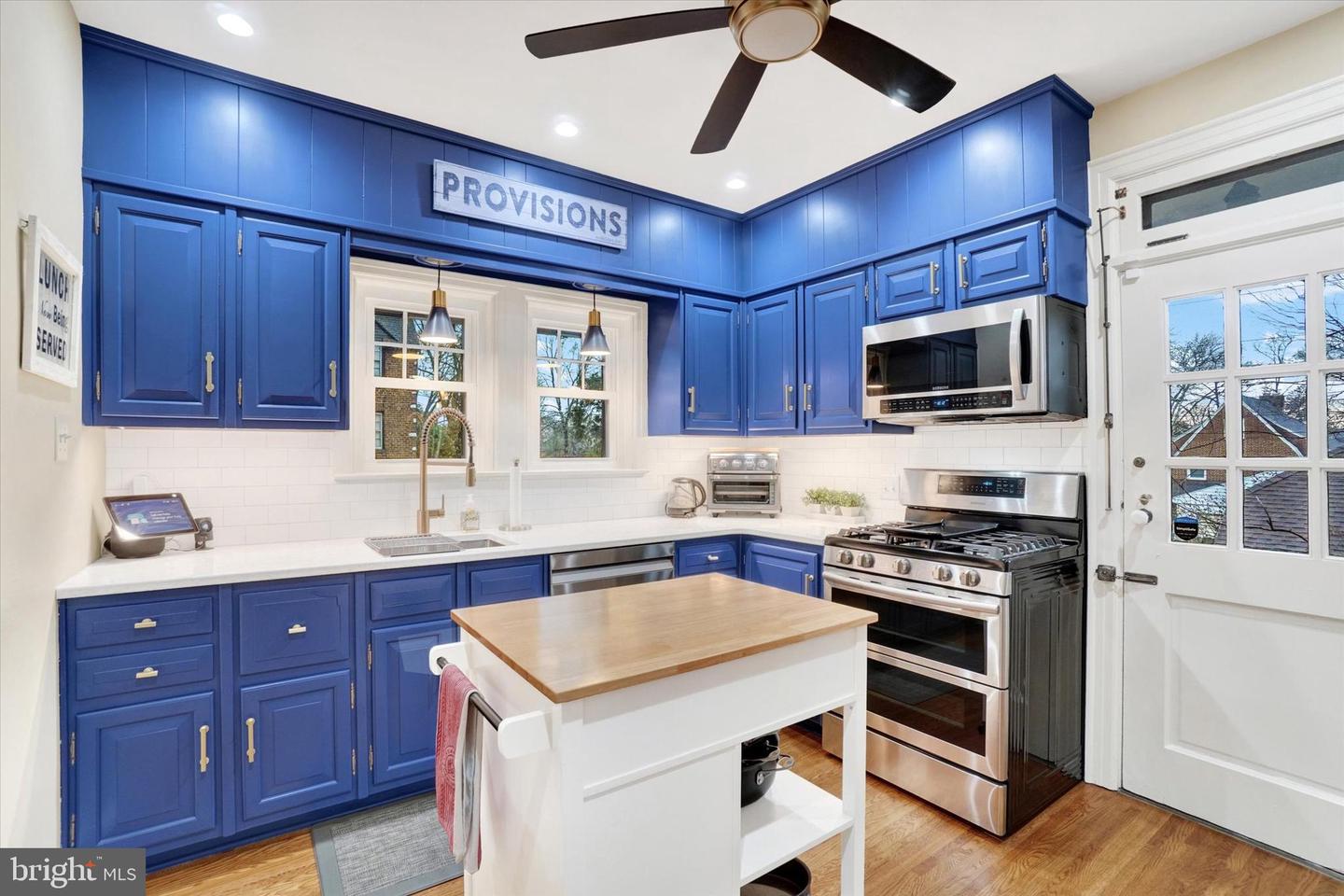
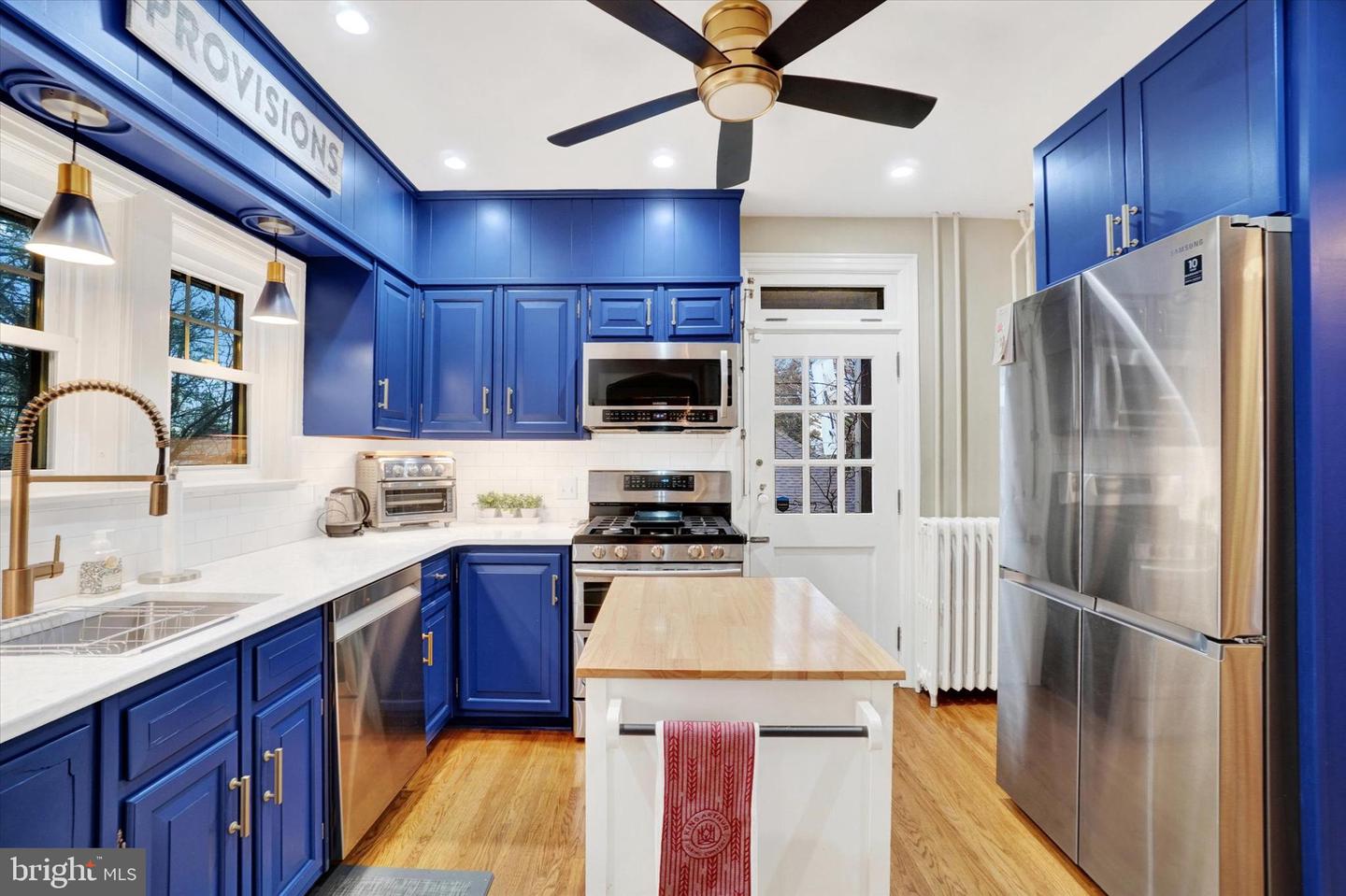
The kitchen has been updated with bold blue cabinetry, white quartz countertops, subway tile backsplash, stainless steel appliances, and a butcher-block island. The original arched doorways and built-in glass-front cabinets remain.
Study & Powder Room
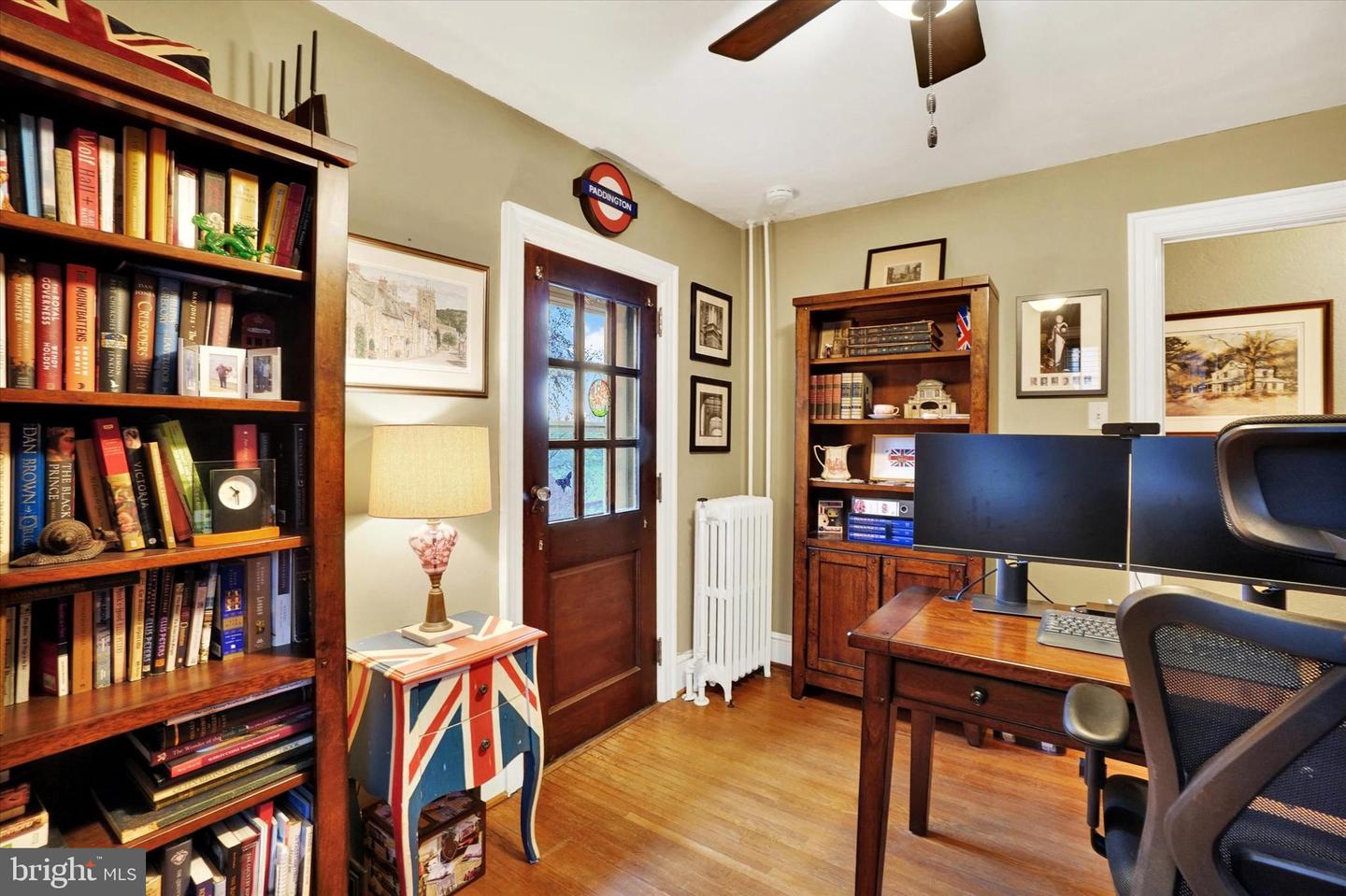
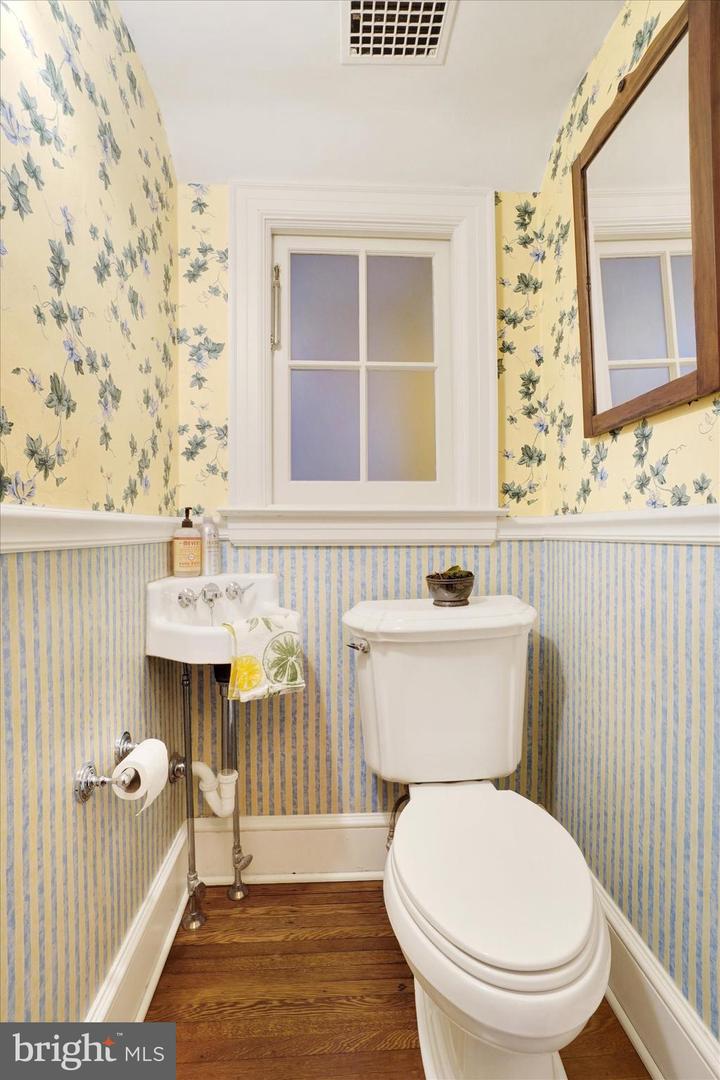
Stairway & Stained Glass
The stairway landing between the first and second floors features an original arched stained glass window—one of the home's most striking details and a hallmark of its 1930s craftsmanship.

Master Bedroom
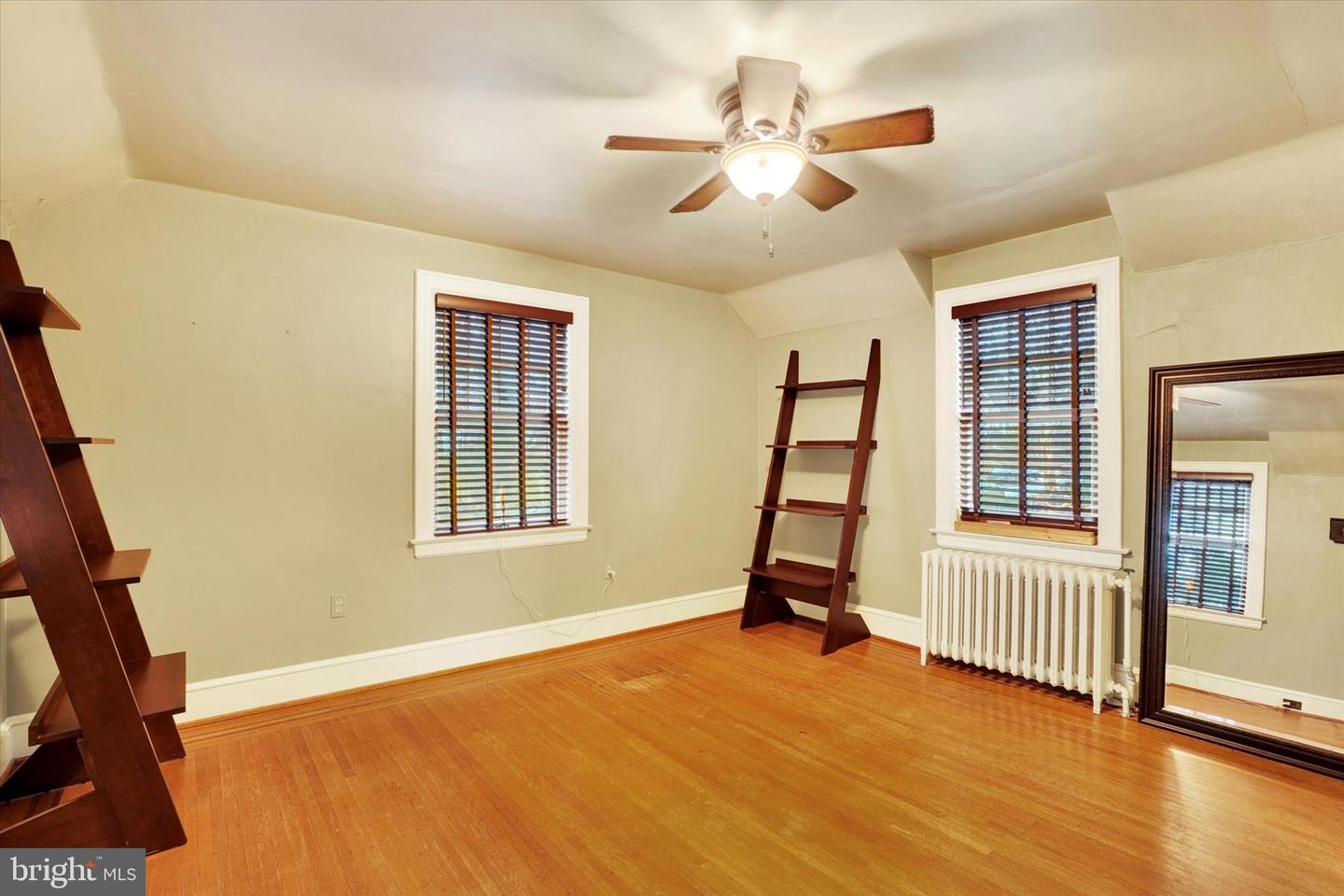
A generous master bedroom on the second floor with hardwood floors, multiple windows, and an adjoining dressing room with its own doorway.


Bathrooms
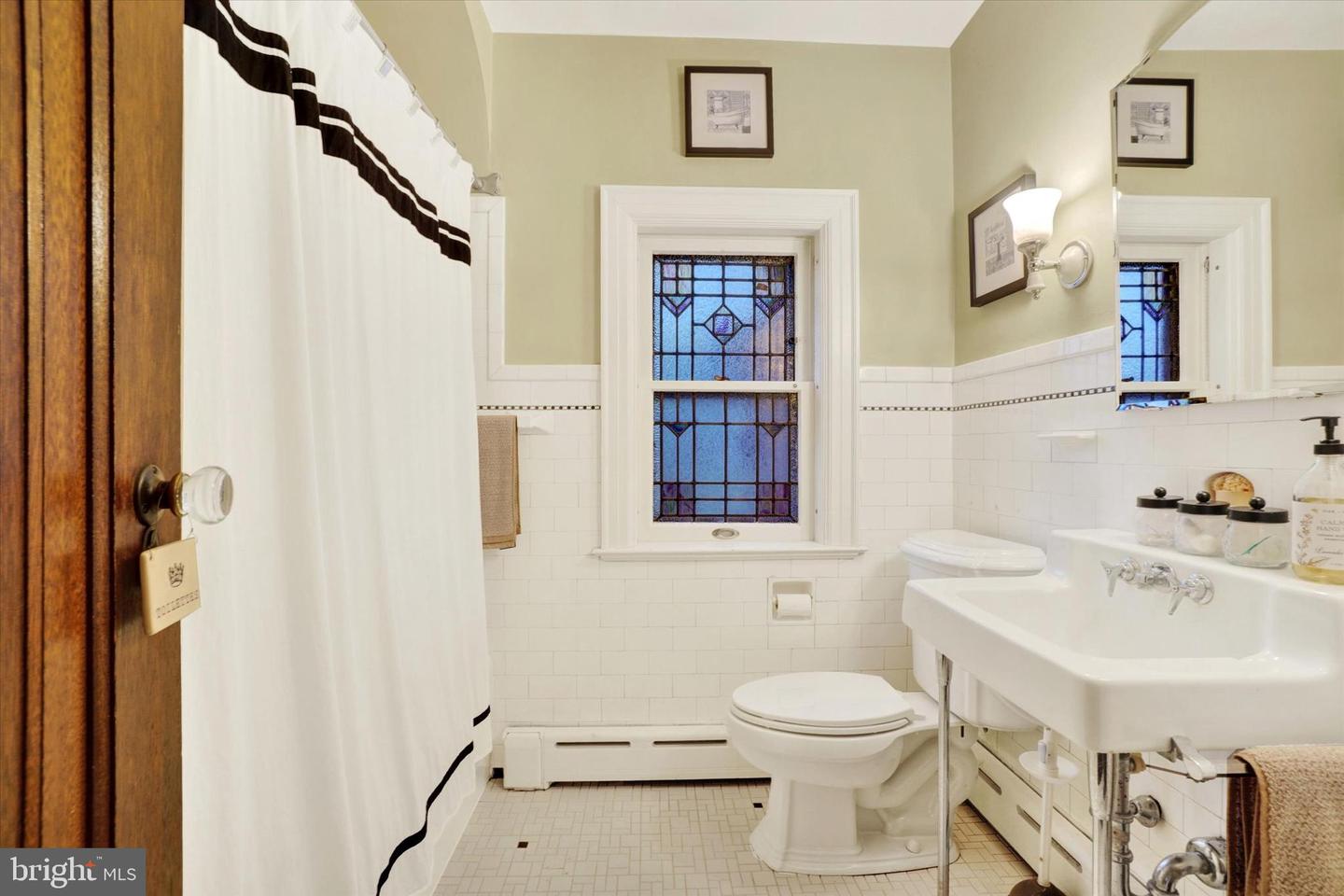
The second-floor bathroom features another original stained glass window, white subway tile, and a pedestal sink. A second full bath serves the remaining bedrooms.


Additional Bedrooms

Third Floor
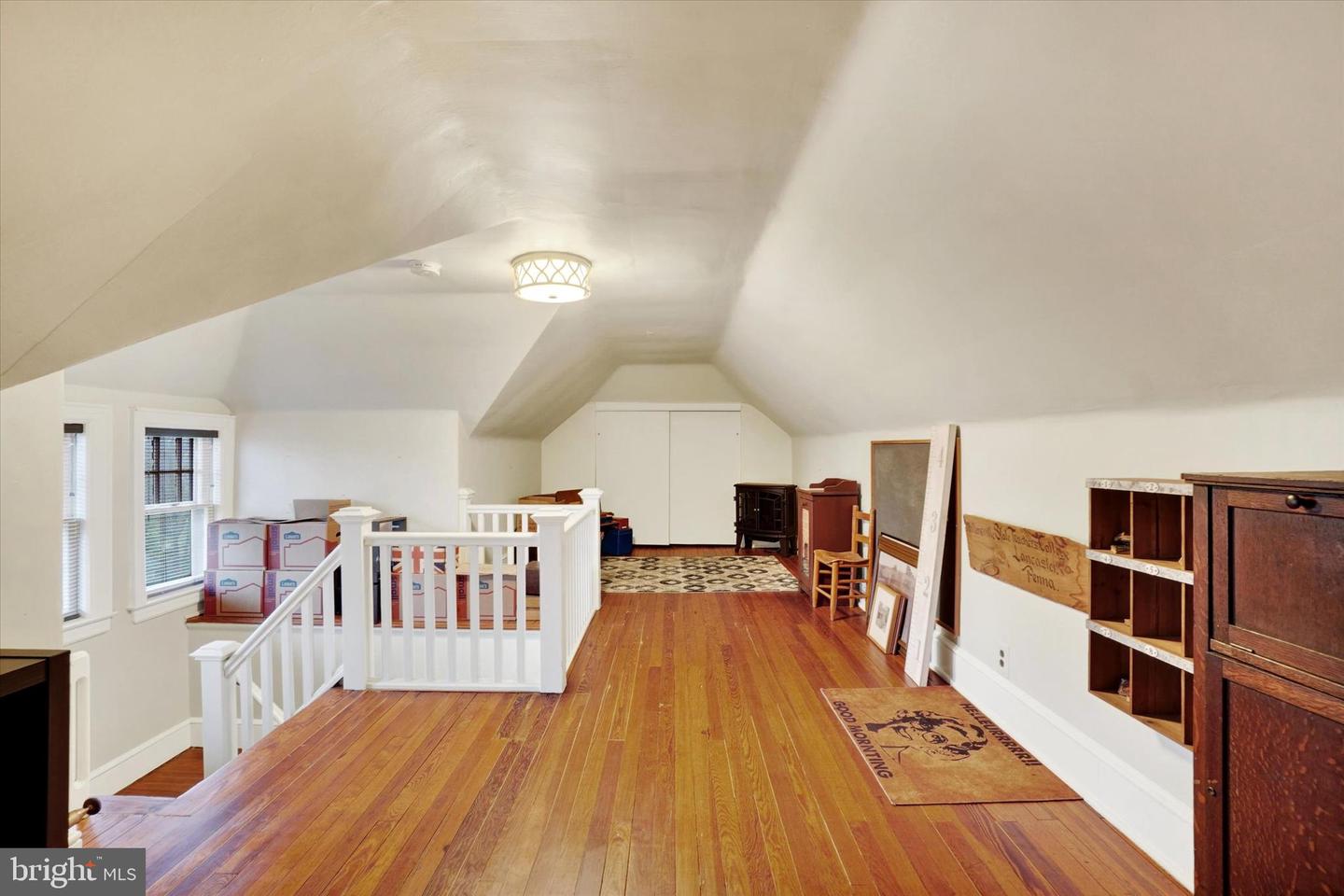
The finished third floor offers a large open space with hardwood floors, dormer windows, and a white baluster railing at the stair opening. A versatile space used over the decades as a playroom, studio, or additional bedroom.

Backyard & Grounds
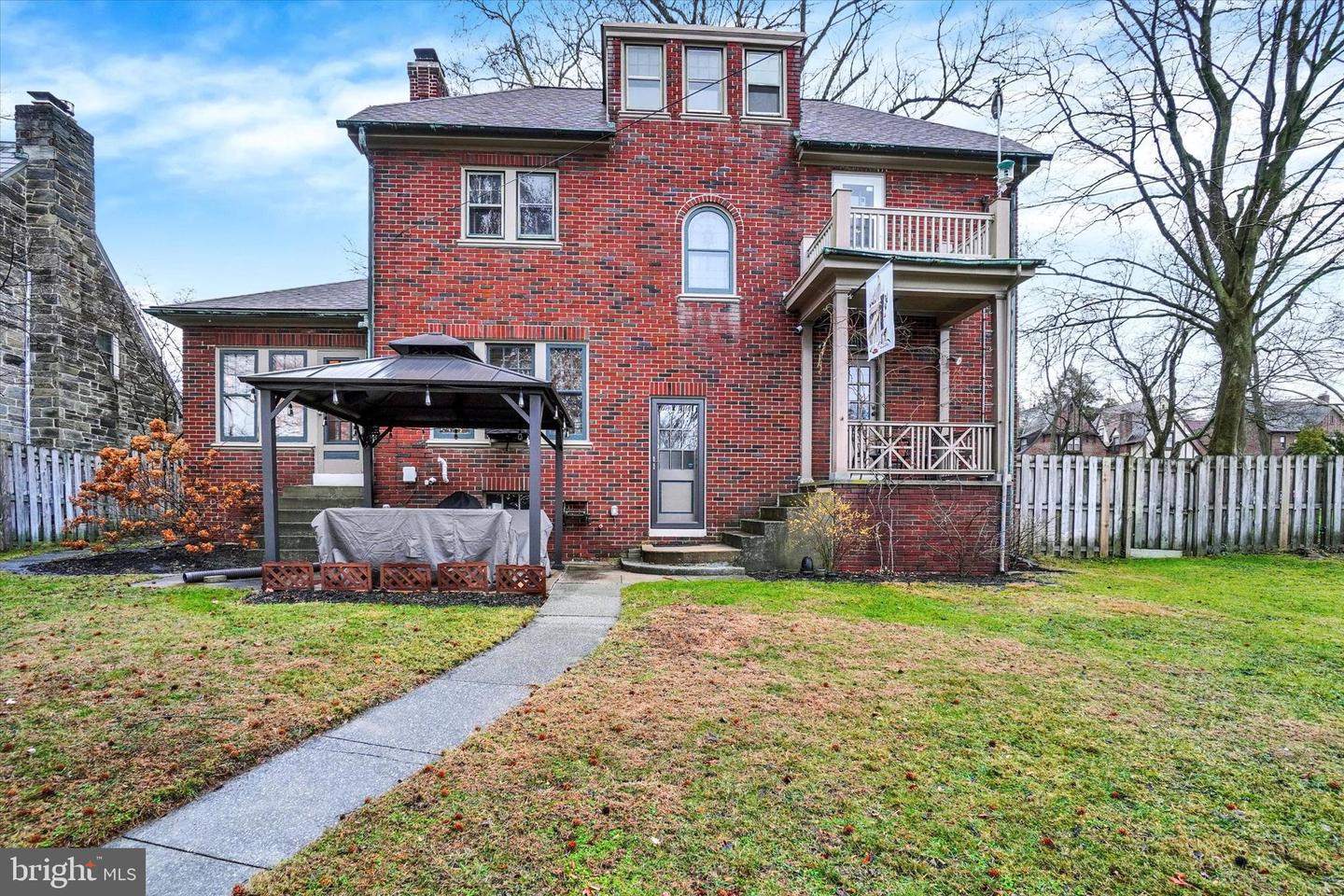
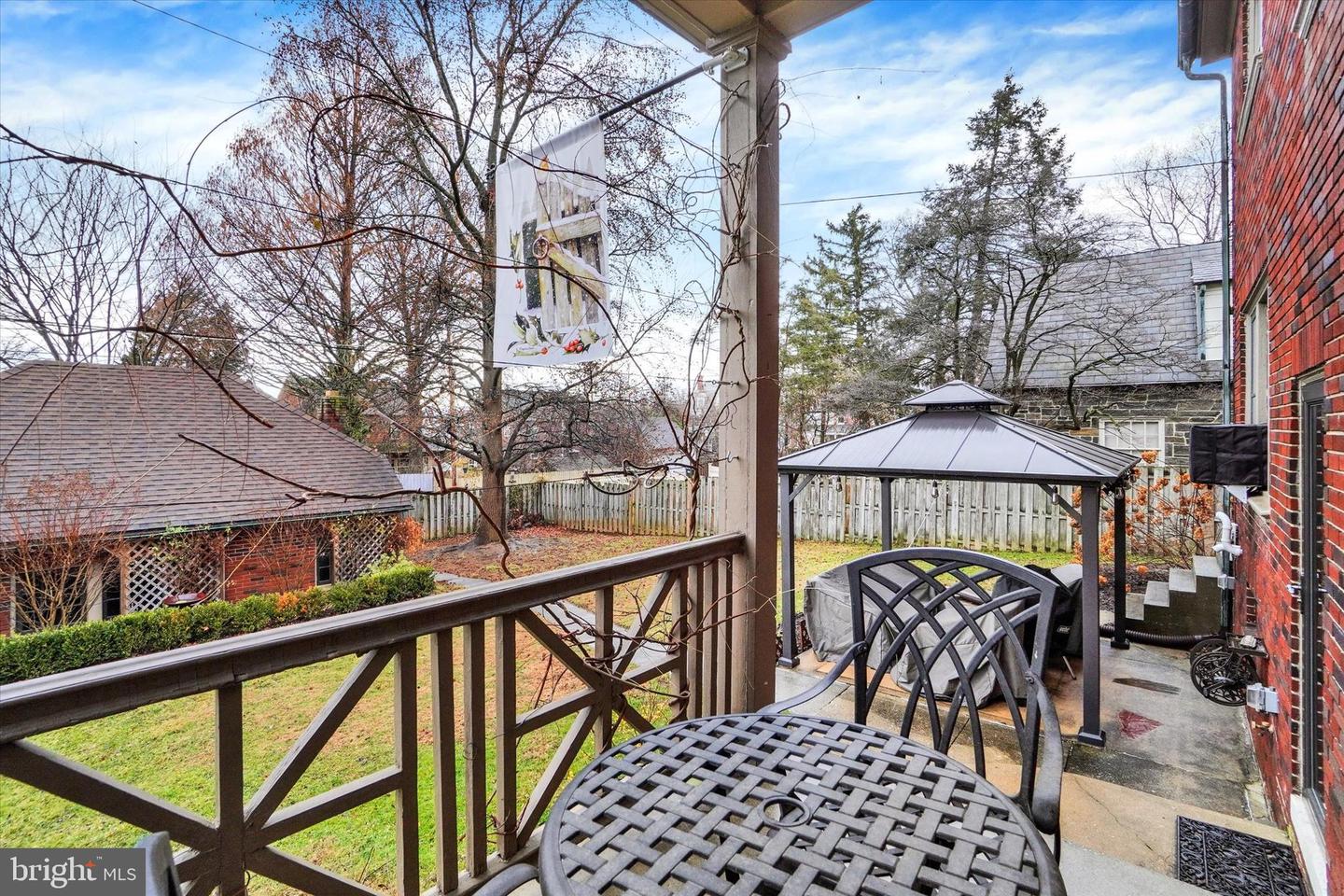
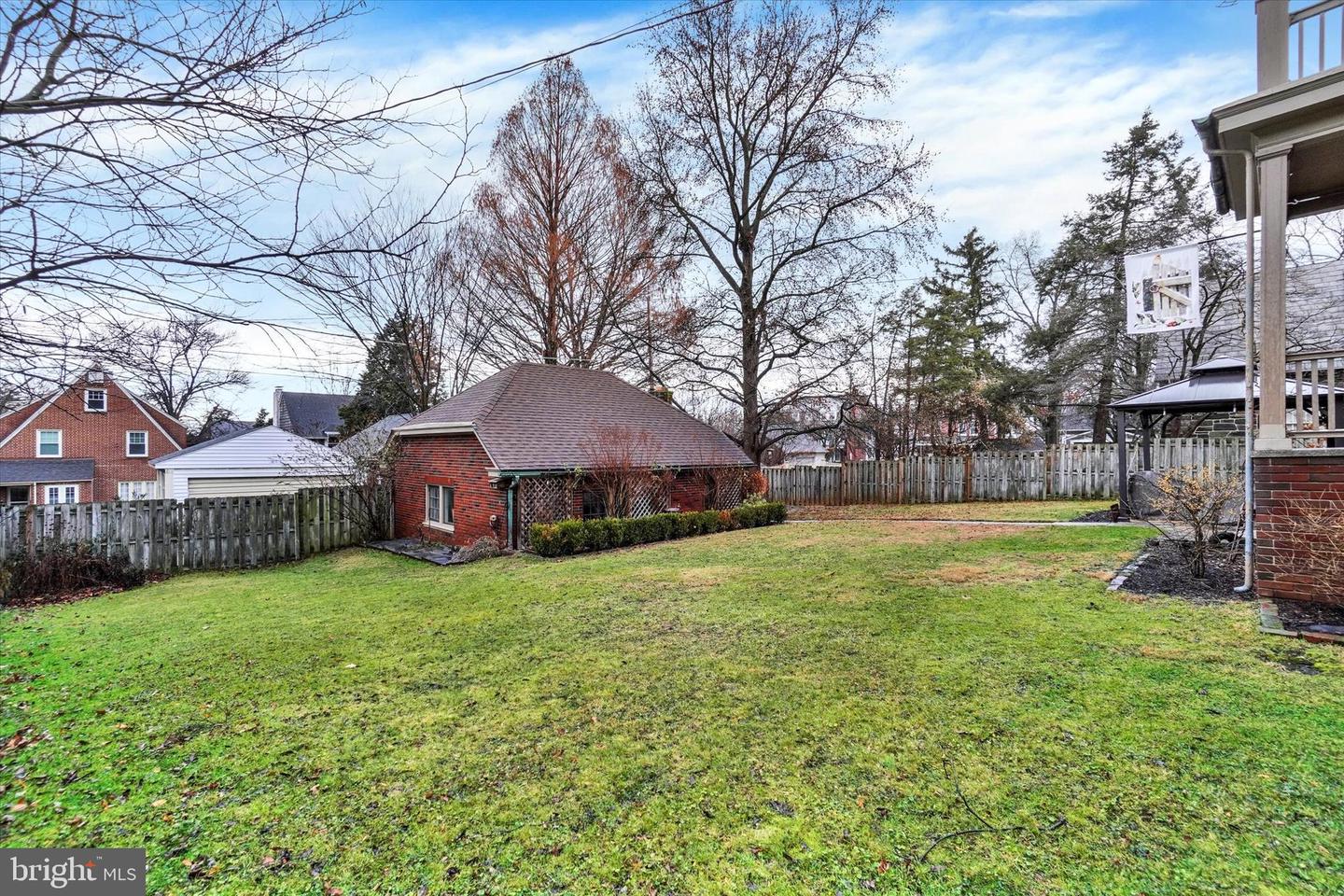
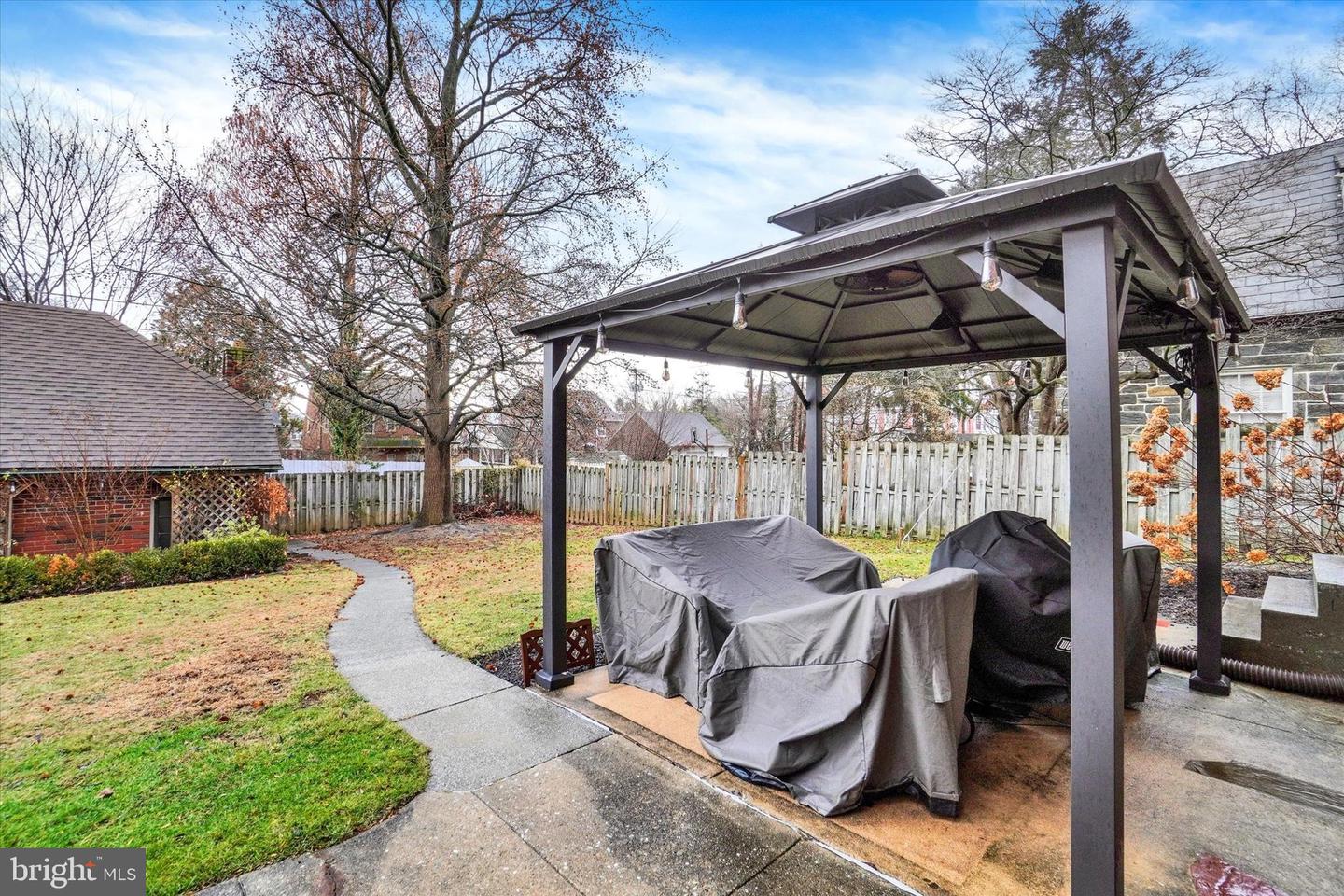
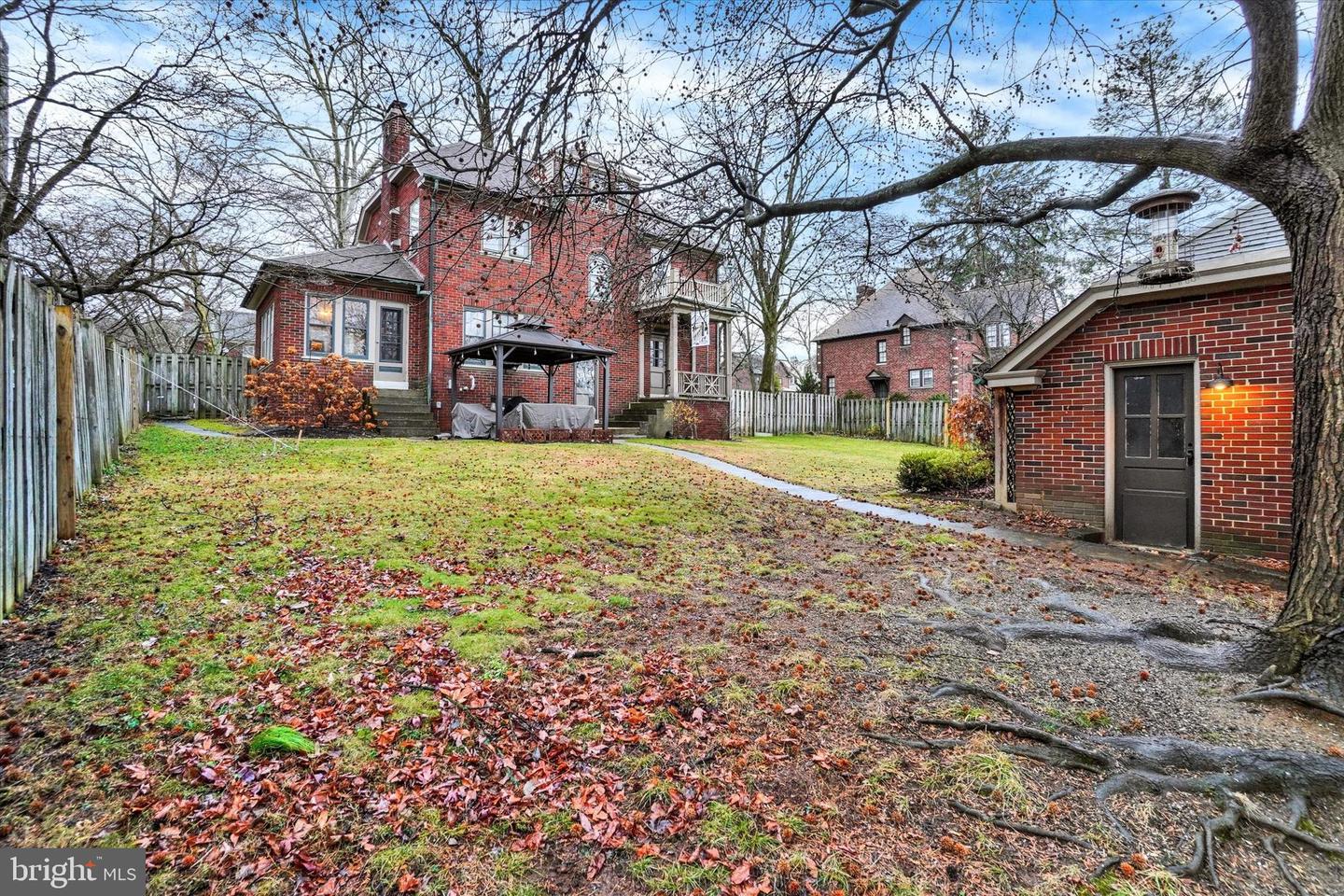
The deep rear yard includes a covered back porch, a patio with gazebo, and a detached two-car brick garage—matching the house's construction—accessed from the rear alley.

Basement
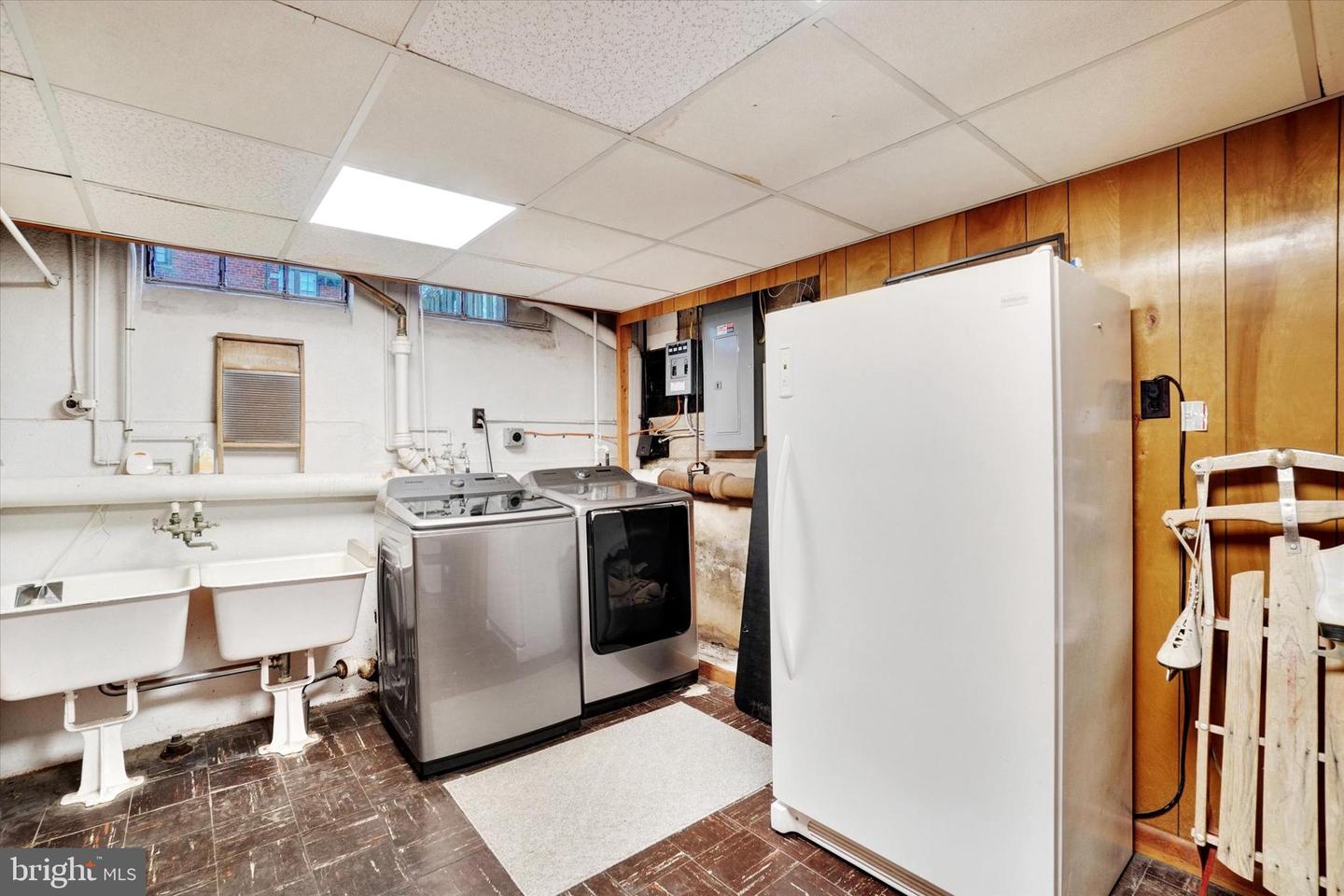
A full basement with updated mechanical systems, laundry area with full-size washer and dryer, original utility sink, and a workbench area.

The Seitz Family, 1929–1965
J. Emory & Lillian A. Seitz
On July 2, 1929, J. Emory Seitz and Lillian A. Seitz purchased land along Peyton Road from Latimer A. Gohn and Bessie Mae Gohn, who had acquired it from the Yorktown Land Company. The Springdale neighborhood was still taking shape at the time, with new homes rising on the former farmland tracts being subdivided along Peyton, Edgewood, and nearby streets.
The Seitzes built their home in 1931. By the 1940 U.S. Census, J. Emory was 59 years old and Lillian was 54, and they were living here at 185 Peyton Road. A decade later, the 1950 Census recorded them still in the home—J. Emory at 69, Lillian at 64—long settled into the house and the neighborhood they had helped establish.
The Seitzes remained at 185 Peyton Road until the property changed hands in 1965, meaning they lived in the home for approximately 34 years after its construction. Their long tenure is reflected in the care with which the home was built and maintained during those early decades.
Complete Ownership History
The full chain of title for 185 Peyton Road, York PA 17403, from the original land company through to the present day.
Architecture & Construction
185 Peyton Road is a two-and-a-half story Colonial Revival residence built with solid brick construction, consistent with the homes being built in Springdale during the late 1920s and early 1930s.
Exterior
- Solid brick construction with decorative brickwork
- Prominent bay window on the first floor
- Covered front porch with brick columns and steps
- Craftsman-style front door with divided-light glass
- Leaded glass sidelights flanking the entrance
- Multi-pane windows throughout
- Hipped roof dormers
- Brick chimney
- Detached matching brick two-car garage
- Second-floor rear balcony
Interior
- Original hardwood floors with inlaid decorative borders
- Double-sided brick fireplace between living and sunroom
- Two original stained glass windows (stairway and bathroom)
- Crown molding and trim throughout
- Interior French doors with divided-light glass
- Butler's pantry with built-in glass-front cabinets
- Breakfast nook with built-in bench seating
- Original radiator heat
- Finished third floor with hardwood
- Full basement with updated mechanicals
The Springdale Neighborhood
Springdale is a residential neighborhood in York, Pennsylvania, developed primarily in the 1920s and 1930s on land that had been subdivided by the Yorktown Land Company and others. Streets like Peyton Road, Edgewood Road, and their neighbors were laid out during this era, and the homes built here reflect the popular architectural styles of the time—Colonial Revival, Tudor Revival, and Craftsman-influenced designs, mostly in brick.
The neighborhood is known for its mature tree canopy, generous lot sizes, and the solid construction quality of its homes. Nearly a century later, Springdale remains one of York's most desirable residential areas, valued for its walkability, character, and proximity to the city's parks and downtown.